




Understanding the Essentials of Structural Steel Construction for Modern Projects
1. Introduction to Structural Steel Construction
Structural steel construction is a critical aspect of modern engineering and architecture, famed for its robustness, versatility, and aesthetic appeal. Given the continuous evolution in construction methods and materials, structural steel has proven to be a reliable choice, ensuring safety, sustainability, and innovative designs in buildings and infrastructure worldwide. As industries strive for efficiency and quality, understanding the nuances of structural steel construction becomes paramount. This article will unveil comprehensive insights into structural steel construction, examining its benefits, components, processes, challenges, and future trends.
1.1 What is Structural Steel?
Structural steel is a category of steel construction material fabricated to meet specific strength and performance standards for construction applications. Composed primarily of iron, with a carbon content that can vary from 0.05% to 0.25%, this type of steel is engineered for structural integrity. Structural steel elements are typically hot-rolled or cold-formed into various shapes, such as beams, columns, and girders, which are employed in the frames of buildings, bridges, and other structures.
1.2 Benefits of Using Structural Steel
The advantages of utilizing structural steel in construction are numerous and varied:
- Strength and Durability: Structural steel possesses a high strength-to-weight ratio, making it capable of supporting heavy loads and enduring extreme conditions.
- Versatility: It can be molded into a variety of shapes and sizes, accommodating a wide range of architectural designs.
- Speed of Construction: Steel components can be pre-fabricated and assembled on-site, significantly reducing construction time.
- Cost-Effectiveness: While initial costs may be higher than other materials, the long-term savings from durability and maintenance can be substantial.
- Sustainability: Structural steel is recyclable, aligning with sustainable construction practices and reducing the carbon footprint.
1.3 Common Applications in Construction
Structural steel is applied in various types of construction projects, including:
- Commercial Buildings: High-rises, office complexes, and shopping centers often rely on steel frames for structural support.
- Infrastructure Projects: Bridges, railroads, and highways utilize structural steel for enhanced durability and performance.
- Industrial Structures: Factories, warehouses, and manufacturing facilities leverage steel frameworks for open spaces and heavy load-bearing capabilities.
- Residential Construction: More homes are adopting steel frame construction for longevity and modern design elements.
2. Key Components of Structural Steel Construction
2.1 Types of Structural Steel
Understanding the various types of structural steel is essential for selecting the appropriate material for specific applications. Some of the most common forms include:
- Universal Beams (UB): Widely used, these beams have an I-shape and provide robust support for various structures.
- Universal Columns (UC): Also I-shaped, UC columns are designed to bear vertical loads, making them ideal for building frames.
- Angles: L-shaped sections used for frameworks and supports, particularly in trusses.
- Channels: U-shaped sections suitable for lateral support and bracing.
- Plates: Flat steel plates can be used for floors, roofs, or other applications requiring a solid foundation.
2.2 Important Design Principles
Designing with structural steel involves several key principles to ensure stability, safety, and functionality:
- Load-Bearing Capacity: Engineers must calculate the expected loads—dead loads, live loads, and environmental factors—to determine the necessary steel grades and sizes.
- Structural Stability: Ensuring the construction meets stability criteria, such as resisting buckling, is crucial for safety.
- Connection Design: Proper design of connections, including welds and bolted joints, is vital for transferring loads safely throughout the structure.
- Aesthetic Considerations: The visual impact of the structural steel should complement the architectural vision while adhering to safety standards.
2.3 Quality Standards and Regulations
Adherence to quality standards and regulatory frameworks is essential in structural steel construction. Key standards include:
- ANSI/AISC Standards: These guidelines set requirements for steel quality and fabrication practices in the United States.
- ISO 9001: This international standard focuses on quality management systems, ensuring consistency in products and services.
- ASTM Specifications: A collection of standards that govern the chemical composition and mechanical properties of different grades of steel.
- Local Building Codes: Regulations established by municipalities to ensure safety, accessibility, and compliance in construction projects.
3. The Structural Steel Construction Process
3.1 Planning and Design Considerations
The planning and design phase is pivotal for ensuring the success of a structural steel project. Key considerations include:
- Site Analysis: Understanding the geographical and environmental aspects of the site aids in evaluating potential challenges.
- Architectural Collaboration: Architects and engineers must work closely to develop designs that are both functional and visually appealing.
- Budgeting: A thorough cost analysis must be conducted to ensure that all financial aspects are manageable throughout the process.
- Timeline Establishment: Creating a detailed construction timeline assists in scheduling and managing resources effectively.
3.2 Fabrication and Erection Phases
The construction process of structural steel typically involves the following key phases:
- Fabrication: Steel components are pre-fabricated in a controlled environment, ensuring quality control and precision.
- Transport: The fabricated steel pieces are carefully transported to the construction site, minimizing the risk of damage.
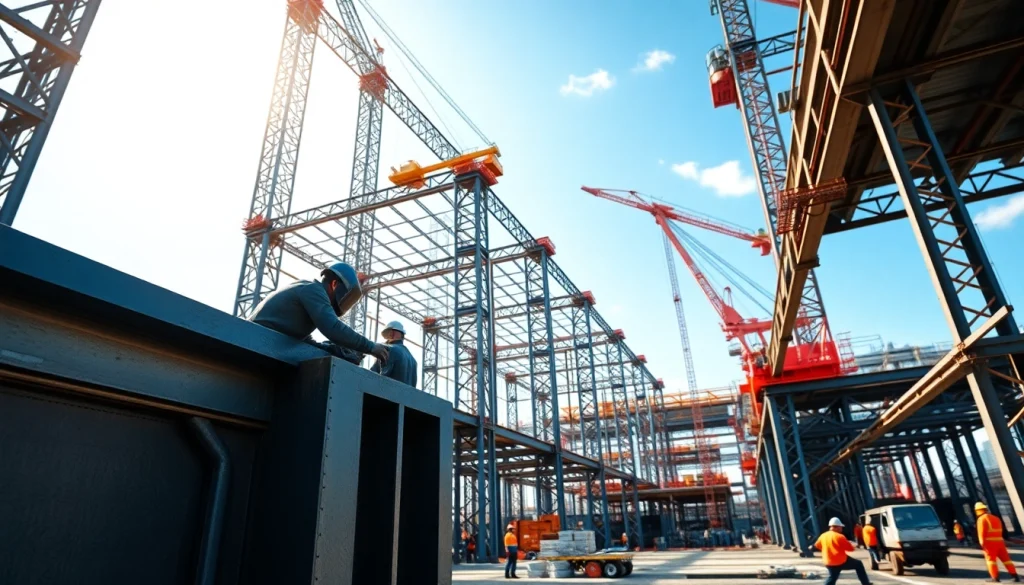
- Erection: Skilled workers assemble the steel components using cranes, ensuring accuracy during the assembly process and securing them with bolts or welds.
- Quality Checks: On-site inspections are conducted to verify that all components meet the required standards and specifications.
3.3 Site Management Practices
Effective site management is crucial for a successful structural steel project:
- Safety Protocols: Establishing strict safety measures helps prevent accidents during construction
- Communication: Maintaining clear communication between project managers, engineers, and laborers ensures that everyone is aligned on project objectives.
- Resource Management: Efficient allocation and tracking of materials and labor is essential for maintaining timelines and budget.
- Continuous Monitoring: Regular assessments of progress and challenges allow for quick adjustments to processes as needed.
4. Challenges in Structural Steel Construction
4.1 Structural Integrity Concerns
While structural steel is generally reliable, certain challenges must be addressed to maintain integrity:
- Corrosion: Steel is susceptible to corrosion, necessitating preventive treatments or maintenance to extend its lifespan.
- Fatigue and Failure: Repeated stress cycles can lead to material fatigue, requiring regular inspections and assessments.
- Load Redistribution: Any changes in the original structure can cause unexpected load redistribution, making it essential to analyze and adjust designs accordingly.
4.2 Environmental Impacts and Solutions
Structural steel construction has an environmental footprint, which necessitates a conscientious approach:
- Resource Extraction: The mining of raw materials can lead to habitat destruction and pollution, requiring awareness and reduction strategies.
- Energy Consumption: Steel production is energy-intensive; employing renewable energy sources and energy-efficient practices can mitigate this impact.
- Recycling Initiatives: Using recycled steel in new projects lessens the need for virgin materials and lowers overall environmental impact.
4.3 Cost Management Strategies
Controlling costs in structural steel construction is vital for the profitability of projects. Strategies include:
- Implementing Efficient Design: Streamlined designs that minimize material waste can save significant costs.
- Bulk Purchasing: Procuring steel in bulk can lead to discounts and reduced material costs.
- Regular Financial Monitoring: Frequent financial assessments allow for proactive management of the budget and adjustments when necessary.
- Value Engineering: Exploring alternative materials or construction methods that maintain quality while reducing costs is beneficial.
5. Future Trends in Structural Steel Construction
5.1 Technological Innovations
The construction industry is continually evolving, and technological innovations play a crucial role in shaping the future of structural steel:
- Building Information Modeling (BIM): BIM facilitates better planning, coordination, and visualization of projects, enhancing accuracy and reducing errors during construction.
- 3D Printing: Advances in 3D printing technology could pave the way for producing custom steel parts on-site, decreasing material waste.
- Smart Steel Technologies: Integrating sensors within structures yields real-time data on performance and conditions, enhancing maintenance strategies and safety protocols.
5.2 Sustainable Practices
Sustainability has become a crucial focus in construction, with structural steel offering a blend of durability and recyclability:
- Green Certifications: Pursuing environmental certifications such as LEED encourages the adoption of sustainable practices in construction.
- Life Cycle Assessments: Evaluating the environmental impact of steel from production through to demolition enables better decision-making regarding materials and processes.
- Low-Emissions Steel: The emergence of low-carbon steel production methods aligns with global environmental efforts and market demand.
5.3 The Role of Steel in Modern Architecture
Steel’s unique properties allow architects to push the envelope of design:
- Open Spaces: The ability of structural steel to support large spans facilitates expansive, open areas without the need for intrusive supports.
- Signature Aesthetic: Steel lends itself to modern aesthetics, fostering innovative designs that capture attention and define iconic skylines.
- Adaptive Reuse: The use of steel in the retrofit of existing structures shows versatility, allowing for modernizations that preserve historical value.