
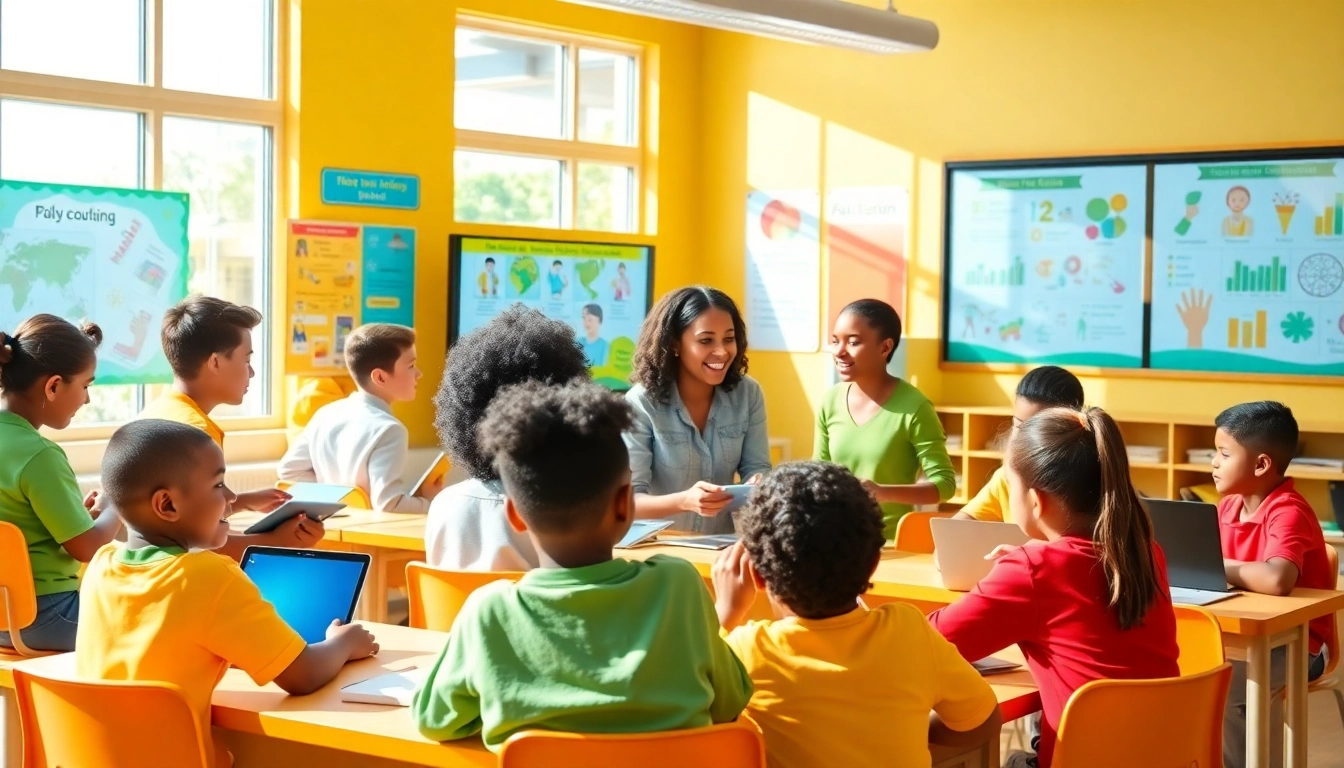
Understanding the Importance of Education Reform
Education is a fundamental pillar of society, serving as the doorway to opportunities, empowerment, and overall development. However, the current landscape of education faces myriad challenges that necessitate urgent reform. Disparities in access, quality, and resources are more pronounced than ever, calling for innovative and inclusive solutions. The journey toward educational equity is not merely an academic exercise but a moral imperative that impacts future generations. Engaging with experts, such as Dr. Matthew Lynch, can provide invaluable insights into the ongoing discussions surrounding education reform and innovation.
Current Challenges in Educational Equity
A significant hurdle in achieving educational equity lies in addressing systemic barriers that marginalized communities face. In many regions, disparities in funding lead to unequal access to resources, qualified teachers, and technology. According to recent studies, students in low-income areas are often deprived of critical learning materials and opportunities, creating a cycle of disadvantage. Furthermore, implicit biases within educational systems can lead to stigmatization and underachievement among minority students.
- Funding Inequities: Schools in affluent areas typically receive more funding, leading to better facilities and resources.
- Teacher Quality: Educators in lower-income schools often face challenges such as burnout and lack of professional development.
- Access to Technology: Students in disadvantaged communities frequently lack access to computers and internet services, hindering their learning opportunities.
Impacts of Innovation on the Learning Process
Innovation in education can bridge gaps and create equitable learning environments. Integrating technology, personalized learning experiences, and collaborative approaches can fundamentally change how students engage with content. For instance, adaptive learning technologies can tailor educational experiences to meet individual student needs, enhancing engagement and understanding. Additionally, project-based learning that emphasizes real-world applications can foster critical thinking skills and deeper learning.
Moreover, educational innovations can extend beyond the classroom, creating partnerships with local organizations to provide support services essential for students’ well-being. By addressing mental health, nutrition, and family engagement, a more holistic approach to education can emerge.
Key Trends Influencing Education in 2026
The future of education is increasingly driven by technological advancements and evolving pedagogical theories. As we look towards 2026, several trends are likely to shape the educational landscape:
- Personalized Learning: Tailoring educational experiences to individual student needs will become more prevalent, leveraging data analytics to shape curriculum.
- Remote Learning: The rise of hybrid learning environments will facilitate access to education regardless of geographical constraints.
- Focus on Social Emotional Learning: There will be a growing emphasis on nurturing emotional intelligence and interpersonal skills alongside academic achievement.
Effective Approaches to Education Innovation
To foster meaningful change in education, effective innovation strategies must be employed. These approaches should not only address current deficiencies but also anticipate future challenges in the educational ecosystem.
Integrating Technology into the Classroom
The integration of technology into educational practices has the potential to revolutionize learning environments. Classrooms equipped with digital tools enable interactive and engaging lessons that can cater to diverse learning styles. For example, using virtual reality (VR) can provide immersive experiences, allowing students to explore historical events or scientific phenomena in a way that textbooks cannot replicate. Teachers can also employ learning management systems (LMS) to facilitate seamless communication between educators and students, ensuring that information is accessible and organized.
Promoting Inclusivity and Accessibility
Inclusivity in education goes beyond providing equal access; it also involves creating environments that recognize and celebrate diversity. Schools can adopt Universal Design for Learning (UDL) principles, ensuring that all students, regardless of ability, have access to engaging and effective learning experiences. For instance, providing multiple means of representation, expression, and engagement can empower students to demonstrate their understanding in varied ways.
Case Studies: Successful Education Reform Examples
Examining successful education reform initiatives provides insight into effective strategies and practices. One notable example is the initiative in Finland, where education emphasizes student well-being, highly qualified teachers, and collaborative learning environments. The Finnish model has led to some of the highest educational outcomes globally, demonstrating that reform is achievable when the focus is placed on student-centered learning.
Another example comes from various charter schools in the United States, which have implemented innovative teaching methods and flexible curriculum designs. These schools often serve underprivileged communities and show promising results in closing achievement gaps.
Strategies for Advocacy in Education
For effective education reform to occur, advocacy plays a crucial role. Engaging various stakeholders, from policymakers to educators and parents, is essential for building a comprehensive movement aimed at systemic change.
Building a Movement for Change
Creating a coalition of stakeholders who are passionately committed to educational equity is vital. This coalition can work to amplify voices from marginalized groups, ensuring that their experiences and needs are addressed within policy discussions. Advocacy groups can organize town hall meetings, campaigns, and workshops to raise awareness about the importance of equitable education.
Engaging Stakeholders in the Process
Stakeholder engagement is not limited to advocacy groups; it also includes parents, teachers, students, and community organizations. By actively involving these groups in the reform process, educational initiatives are more likely to reflect the actual needs and aspirations of those they are designed to serve. This involvement can take the form of surveys, focus groups, and collaborative workshops aimed at gathering input from diverse perspectives.
Utilizing Social Media for Educational Advocacy
In today’s digital age, social media serves as a powerful tool for advocacy, allowing for rapid dissemination of information and mobilization of support. Educators and advocates can utilize platforms like Twitter, Instagram, and Facebook to share success stories, raise awareness about challenges, and organize events. Social media campaigns can create viral movements that capture public interest and influence policymakers.
Implementation of Educational Reforms
Successfully implementing educational reforms requires a strategic roadmap that outlines clear goals, timelines, and evaluation methods. Without this, initiatives risk losing momentum or failing to address key issues effectively.
Creating a Roadmap for Change
A well-structured roadmap should incorporate both short-term and long-term objectives. This roadmap can include timelines for implementing new curricula, training for educators, and establishing partnerships with community organizations. Furthermore, ensuring that the goals are measurable will facilitate continuous assessment and adjustment of strategies as needed.
Measuring Success in Education Initiatives
To determine the effectiveness of educational reforms, it is crucial to establish clear metrics for success. These metrics can include student achievement data, graduation rates, and levels of student and parent satisfaction. Regular assessments and feedback loops will allow for timely adjustments to strategies, ensuring that initiatives are on track to meet their goals.
Addressing Resistance to Change
Resistance to educational reform is a common challenge, often stemming from fear of the unknown or attachment to traditional practices. To overcome this resistance, it’s essential to communicate the benefits of proposed changes clearly. Providing professional development opportunities for educators can also alleviate concerns by equipping them with the skills and knowledge necessary to adapt.
Future Developments in Education
As we look toward the future, the landscape of education will continue to evolve in response to societal changes and technological advancements. Being proactive about these changes will ensure that educational systems remain relevant and effective.
Emerging Technologies Shaping Learning Environments
Technologies such as artificial intelligence (AI), blockchain, and augmented reality (AR) are set to redefine what learning looks like in the coming years. AI can personalize education by analyzing student performance data and adapting learning pathways accordingly, while blockchain technology can offer secure credentialing for academic achievements. These innovations promise to enhance learning experiences and streamline administrative processes.
Predictions for the Future of Education Post-2026
Looking ahead to 2026 and beyond, it is anticipated that education will become increasingly integrated with global networks, allowing for collaborative learning experiences that transcend borders. Online platforms will facilitate international partnerships, enabling diverse cultural exchanges and learning opportunities. Moreover, there will likely be a stronger emphasis on lifelong learning to equip individuals with the skills necessary to thrive in an ever-changing job market.
Global Perspectives on Education Reform
To fully understand the complexities of education reform, it is crucial to consider global perspectives. Different countries have adopted unique approaches to tackle similar challenges, providing valuable lessons for others. For example, countries like Singapore have focused on rigorous teacher training and high educational standards, resulting in impressive international rankings. By learning from these global examples, we can better inform our approaches to education reform at home.