




Stress and Anxiety Relief Strategies for Daily Balance
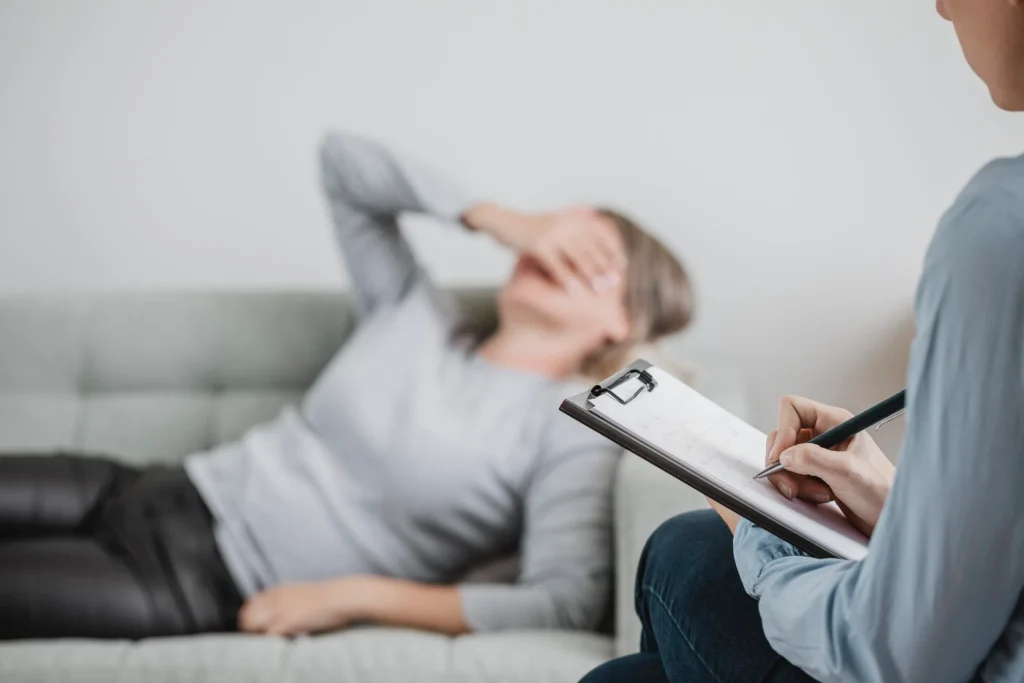
Stress and anxiety are common experiences in modern life. Everyone faces pressure from work, school, relationships, or personal expectations. While occasional stress can motivate us, chronic stress and persistent anxiety can harm emotional and physical health. Learning Stress and anxiety relief strategies is essential for maintaining balance, improving mood, and enhancing overall well-being. This article provides practical, evidence-based methods suitable for everyday life.
Understanding Stress and Anxiety
What is Stress?
Stress is the body’s response to challenges or demands. It triggers the “fight or flight” response, releasing hormones like cortisol and adrenaline. Short-term stress can improve focus and performance, but prolonged stress can lead to fatigue, irritability, and physical health issues such as headaches, high blood pressure, or weakened immunity.
What is Anxiety?
Anxiety is a feeling of worry, nervousness, or fear, often about uncertain outcomes. While mild anxiety can be helpful in preparing for challenges, chronic anxiety may cause constant tension, difficulty concentrating, and sleep disturbances.
The Link Between Stress and Anxiety
Stress and anxiety are closely related. Stressful situations can trigger anxious thoughts, and anxiety can increase stress levels. Understanding both helps develop effective coping strategies.
Daily Stress and Anxiety Relief Strategies
1. Mindful Breathing Techniques
Mindful breathing helps calm the nervous system and reduce stress hormones.
- Deep Breathing: Inhale deeply for four counts, hold for four, exhale for six. Repeat for several minutes.
- Box Breathing: Inhale for four, hold for four, exhale for four, hold for four. This rhythm promotes relaxation.
- Diaphragmatic Breathing: Focus on expanding the belly rather than the chest while breathing.
Real-life Example: A student preparing for exams might feel overwhelmed. Spending five minutes practicing deep breathing before studying can lower stress and improve focus.
2. Physical Activity and Exercise
Exercise releases endorphins, natural mood enhancers that counteract stress and anxiety.
- Cardio Workouts: Running, cycling, or swimming increases heart rate and reduces tension.
- Yoga and Stretching: Combines physical movement with mindful breathing for relaxation.
- Strength Training: Lifting weights or bodyweight exercises can improve confidence and energy.
Analogy: Exercise is like shaking a soda can gently to release pressure—it helps release built-up tension in the body.
3. Healthy Sleep Habits
Lack of sleep can worsen stress and anxiety. Consistent, high-quality sleep supports emotional resilience.
- Establish a regular sleep schedule.
- Avoid screens at least an hour before bed.
- Practice relaxation techniques like meditation or gentle stretches before sleeping.
Case Study: John, a young professional, experienced high anxiety due to irregular sleep patterns. By going to bed at the same time each night and limiting phone use, he reported feeling calmer and more focused during the day.
4. Balanced Nutrition
The foods we eat influence mood and stress levels.
- Eat regular meals rich in vegetables, fruits, whole grains, and lean proteins.
- Reduce caffeine, sugar, and processed foods that can increase anxiety.
- Stay hydrated, as dehydration can worsen fatigue and stress.
Real-life Example: Maria noticed that skipping breakfast made her anxious and irritable. Eating a nutritious breakfast improved her mood and helped her handle daily challenges more calmly.
5. Time Management and Prioritization
Feeling overwhelmed often results from poor time management.
- Use to-do lists or planners to organize tasks.
- Break large tasks into smaller, manageable steps.
- Prioritize important activities and set realistic goals.
Analogy: Managing your day is like packing a backpack. You carry only what’s necessary and organize it efficiently to avoid unnecessary weight.
6. Mindfulness and Meditation
Mindfulness helps focus on the present moment, reducing worry about the past or future.
- Guided meditation apps can provide structured practices.
- Mindful walking involves paying attention to your steps, breathing, and surroundings.
- Journaling about thoughts and feelings can clarify emotions and reduce anxiety.
7. Social Support
Talking to friends, family, or support groups provides emotional relief and perspective.
- Share feelings openly with trusted individuals.
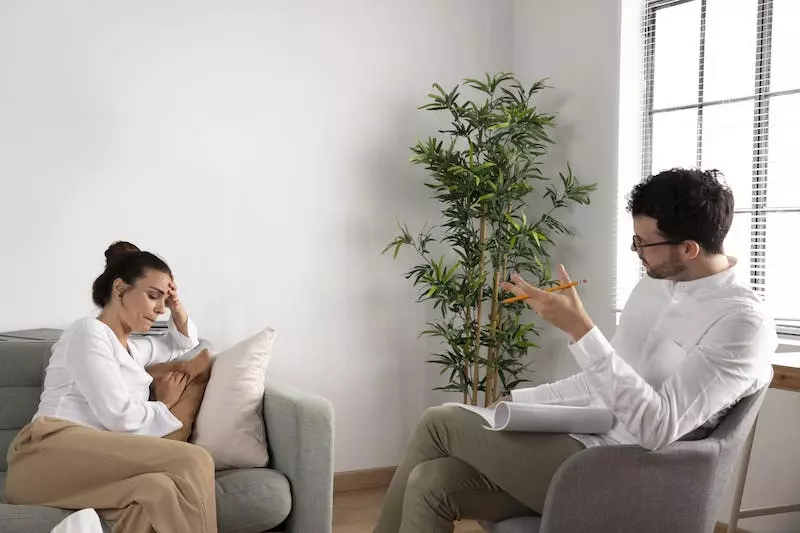
- Seek professional support from therapists if anxiety is persistent.
- Participate in community or interest-based groups to feel connected.
Real-life Example: Sarah joined a local art club, allowing her to meet people with similar interests. The sense of connection helped lower her daily stress levels.
8. Limiting Stress Triggers
Identifying and reducing sources of stress can prevent anxiety buildup.
- Limit exposure to negative news or social media.
- Set healthy boundaries in work and personal life.
- Learn to say no to unnecessary obligations.
9. Relaxation Techniques
Engaging in activities that promote relaxation can counter stress effectively.
- Listening to calming music or nature sounds.
- Taking warm baths or practicing aromatherapy.
- Engaging in hobbies such as painting, gardening, or reading.
Analogy: Relaxation techniques act like a reset button for the brain, helping you recharge and respond more calmly to challenges.
10. Cognitive Behavioral Strategies
Cognitive Behavioral Therapy (CBT) techniques help change unhelpful thought patterns.
- Identify negative or anxious thoughts.
- Challenge these thoughts with evidence and alternative perspectives.
- Replace negative thinking with constructive and balanced thoughts.
Case Study: Alex felt anxious about public speaking. Using CBT techniques, he reframed thoughts from “I will fail” to “I can prepare and do my best.” This reduced his anxiety and improved his performance.
11. Establishing Daily Routines
A structured daily routine reduces unpredictability, which can trigger stress and anxiety.
- Set consistent times for meals, work, relaxation, and sleep.
- Include short breaks during work or study sessions.
- Allocate time for enjoyable activities and self-care.
12. Limiting Alcohol and Nicotine
Substances like alcohol and nicotine may provide temporary relief but worsen stress and anxiety over time. Reducing consumption improves mood stability and overall mental health.
13. Practicing Gratitude
Focusing on positive aspects of life can shift perspective away from anxiety.
- Maintain a gratitude journal by writing three things you are thankful for daily.
- Reflect on small achievements or positive experiences.
- Share gratitude with others to strengthen relationships.
14. Professional Support and Therapy
Sometimes, stress and anxiety require professional intervention.
- Therapists can provide coping strategies and emotional support.
- Counseling may involve individual therapy, group therapy, or CBT.
- Medication may be recommended for persistent anxiety under medical supervision.
Conclusion
Managing stress and anxiety is essential for maintaining daily balance and emotional health. By combining strategies such as mindful breathing, exercise, healthy nutrition, proper sleep, social support, and cognitive techniques, individuals can reduce stress levels and improve overall well-being. Establishing daily routines, limiting triggers, and practicing gratitude further reinforce emotional stability. Remember, stress and anxiety are natural responses, but with the right strategies, they can be managed effectively, allowing a calmer, healthier, and more balanced life. Go back to the homepage to find fresh ideas and trending topics.
FAQs
What are the best daily habits to reduce stress and anxiety?
Daily habits that help include mindful breathing, regular exercise, healthy nutrition, consistent sleep schedules, journaling, and maintaining supportive social connections. These routines provide stability and prevent stress accumulation.
Can meditation really reduce anxiety?
Yes, meditation and mindfulness practices help calm the mind, focus attention on the present, and reduce anxious thoughts. Even a few minutes daily can improve emotional regulation and decrease stress levels.
When should I seek professional help for stress and anxiety?
Professional help is recommended if stress or anxiety is persistent, interfering with daily life, causing sleep disturbances, or leading to physical symptoms. Therapists can offer coping strategies, cognitive behavioral therapy, and, if necessary, medical support.