
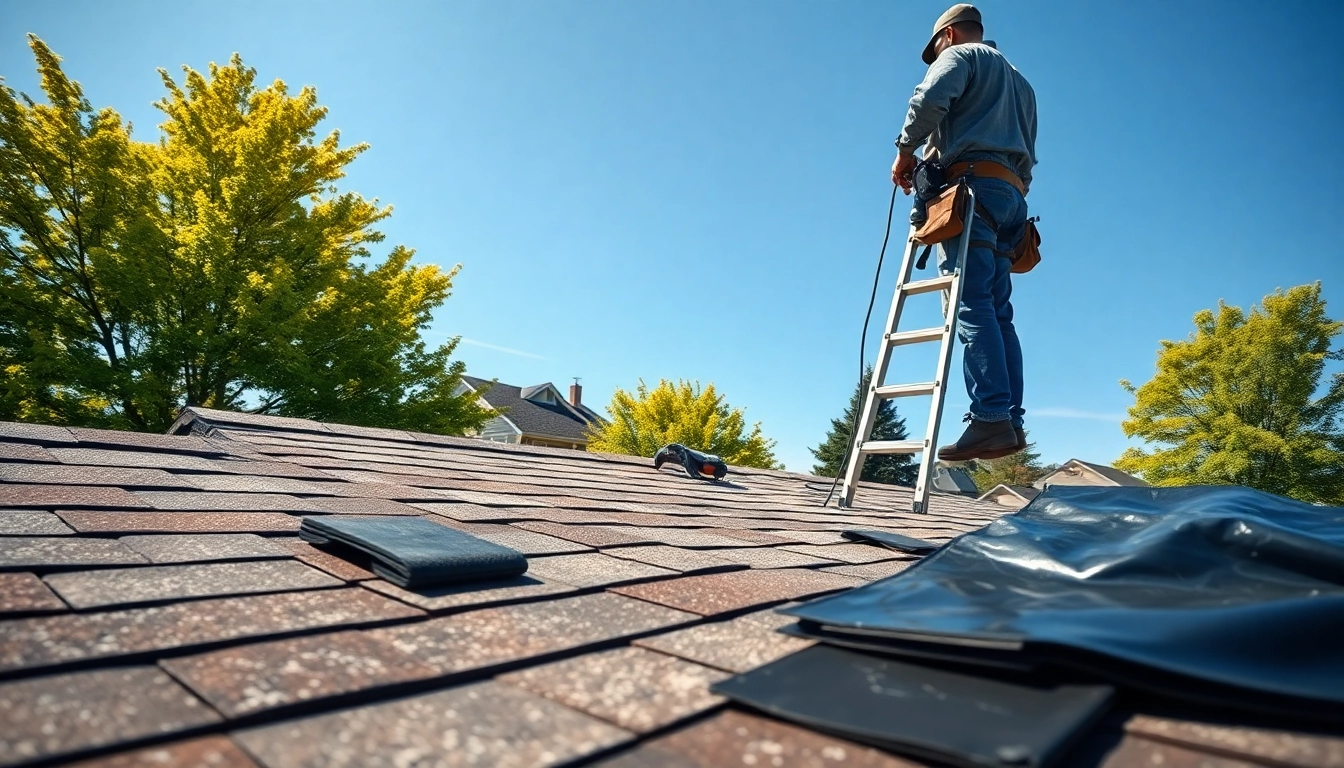
Understanding Roof Repair Essentials
Your roof is often referred to as the crown of your home. It shields you and your belongings from the elements, providing essential protection and comfort. When damage occurs, understanding the Roof repair process becomes crucial. This guide will delve deep into the fundamental aspects of roof repair, ensuring you have the knowledge needed to address potential issues effectively.
The Importance of Timely Roof Repair
Timely roof repair is vital for several reasons. First and foremost, it helps maintain the structural integrity of your home. A small leak can quickly escalate into a serious problem, leading to water damage, mold growth, and compromised insulation.
Beyond structural costs, delaying necessary repairs can lead to exorbitant financial burdens. Insurance companies may have specific clauses about maintenance. If they find that you neglected repairs leading to further damage, claims could be denied, forcing you to shoulder repairs financially. Thus, regular inspections and proactive repairs can ultimately save homeowners money.
Common Signs Indicating Roof Repair Needs
- Missing or Damaged Shingles: Inspect your roof for any shingles that are cracked, curled, or absent.
- Leaking: Signs of water stains on ceilings or walls are strong indicators of roof problems.
- Granules in Gutters: Shingle granules washing away can indicate that shingles are wearing out.
- Ponding Water: Areas where water collects after rain can lead to leaks and should be addressed.
- Increased Energy Bills: Poor insulation due to roof issues can cause higher heating and cooling costs.
Choosing the Right Materials for Roof Repair
Selecting quality materials is paramount during any roof repair. The longevity and effectiveness of the repair often hinge on material choice. Current roofing options include:
- Asphalt Shingles: Popular for their cost-effectiveness and easy installation.
- Metal Roofing: Known for its durability and resistance to extreme weather conditions.
- Clay and Concrete Tiles: Excellent for aesthetic appeal and longevity.
- EPDM (Ethylene Propylene Diene Monomer): Widely used for flat roofs thanks to its resilience and energy efficiency.
DIY vs. Professional Roof Repair
Assessing Your Capability for DIY Roof Repair
Deciding between DIY and professional assistance can be challenging. Before embarking on a DIY roof repair project, assess your skills and resources. Do you have experience in home repairs? Access to proper tools? If anything about the task feels overwhelming, it’s best to consult with a professional.
Remember, safety is paramount. Working at heights poses significant risks. If you’re uncertain about climbing onto the roof, it’s wise to hire a professional.
When to Hire Professionals for Roof Repair
There are specific scenarios when hiring a professional is a must. If repairs are extensive, involve structural damage, or require specialized materials, calling in experts is critical. Roofing professionals come equipped with the right tools, knowledge, and experience to handle potential complications safely and effectively. Routine inspections and maintenance can also be handled by professionals to ensure your roof remains in optimal condition.
The Cost-Benefit Analysis of DIY Roof Repair
While DIY repairs may seem more economical, it’s important to consider potential pitfalls. Mistakes can lead to more serious damage, negating any upfront savings. The cost to hire a skilled professional may ultimately outweigh the expenses incurred from faulty repairs. That said, for smaller jobs like replacing a few shingles or sealing small leaks, DIY can be a cost-effective solution, provided the homeowner is confident in their abilities.
Steps Involved in Roof Repair Process
Preparing Your Home for Roof Repair
Preparation is key to any successful roofing project. Before starting, clear the area around your home to ensure that additional equipment, debris, or discarded materials have space. Set up scaffolding safely and cover any landscaping with tarps to prevent damage. Make sure you gather all necessary materials beforehand to minimize interruptions during repairs.
Executing Roof Repair Safely and Effectively
Executing the repair involves specific steps to ensure safety and quality. Here’s a streamlined process:
- Assess the damage and determine needed repairs.
- Secure safety equipment: helmets, harnesses, and sturdy ladders.
- Remove damaged areas carefully, ensuring not to disturb the intact surrounding structure.
- Apply the new shingles or repair materials, following the manufacturer’s guidelines for installation.
- Conduct a thorough inspection of your work before wrapping up the day.
Post-Repair Inspection and Maintenance
After the repair is complete, it’s crucial to conduct a post-repair inspection. Look for any signs of leaks or issues. Regular maintenance checks post-repairs help identify potential future problems early on, further prolonging your roof’s lifespan.
Consider scheduling seasonal inspections to address minor issues before they escalate. Routine cleaning of gutters and downspouts can sustain drainage efficiency and prevent buildup that could lead to leaks.
Advanced Techniques in Roof Repair
Innovative Materials for Long-Term Roof Repair
As technology and materials evolve, new options for roof repair emerge. Innovations such as synthetic underlayments provide better moisture protection and can extend the life of roofs dramatically. Likewise, infrared thermography has become an invaluable tool for detecting leaks and assessing heat loss, allowing for a more accurate assessment of roof conditions.
Using Technology in Roof Repair Assessment
Technological advancements streamline repair assessments. Drones equipped with high-definition cameras allow for the inspection of hard-to-reach areas, ensuring no potential issue goes unnoticed. This technology also provides homeowners with clear visual evidence of any damages that need addressing, allowing for more transparent communications with contractors and insurance adjusters.
Case Studies of Effective Roof Repair Methods
Exploring successful case studies offers invaluable insight. For instance, consider a home experiencing leaks due to improperly installed skylights. A case study demonstrated how utilizing advanced sealant technology significantly enhanced the roof’s waterproofing, leading to no further leaks and improving homeowner satisfaction.
Another compelling example is of a property that adopted metal roofing to replace worn asphalt shingles. This change not only improved aesthetic appeal but also led to substantial energy cost savings, demonstrating how informed choices in roof repair can yield long-term benefits.
Frequently Asked Questions About Roof Repair
How can I tell if my roof needs repair?
Common indicators include missing shingles, water stains on ceilings, and granules in gutters. Inspect your roof regularly for these signs to determine repair needs.
What are the average costs associated with roof repair?
Costs vary based on factors like the extent of damage, materials used, and labor. On average, homeowners can expect costs ranging from $300 to $1,000 for minor repairs.
How do weather conditions affect roof repair longevity?
Extreme weather can accelerate wear and tear. Properly installed roofing can withstand tough conditions, but regular inspections and maintenance are essential to ensure longevity.
What permits are needed for roof repair?
Permit requirements vary by locality. Generally, larger repairs require permits, which can include structural changes. Always check local regulations before beginning any repair project.
How often should I have my roof inspected?
It’s advisable to have your roof inspected at least once a year and after severe weather events. Regular inspections help catch issues early and prolong the roof’s life.