Understanding Colonial Home Build Basics
Colonial homes are a beloved American architectural style that beckon us back to the roots of early American houses, combining aesthetic charm with practical living. The essence of the colonial home build is steeped in history and structural integrity, providing a foundation for those looking to embrace tradition without sacrificing modern convenience. This article delves into the intricate details surrounding colonial homes, from their historical origins to contemporary design trends, ensuring that your journey toward building your own colonial home is both informed and enriching.
History and Origin of Colonial Homes
The origin of colonial homes can be traced back to the 1600s, when European settlers arrived in America and began to establish their own distinct architectural styles. These settlers brought with them their traditions and techniques, which were adapted to their new environment. Colonial homes vary significantly depending on the region, with the New England Colonial exhibiting steep roofs and large chimneys, while Southern Colonials are known for their grand porches and expansive façades.
The foundational purpose of these homes was practicality. Early colonial settlers prioritized durability and functionality; therefore, homes were typically made from local materials like wood and stone. The architecture also responded to the climate and available resources, which influenced features like heavy timber framing in the Northeast or brick exteriors in the South. Understanding this historical context provides insight into the enduring appeal and character of colonial home designs today.
Key Architectural Features of Colonial Home Build
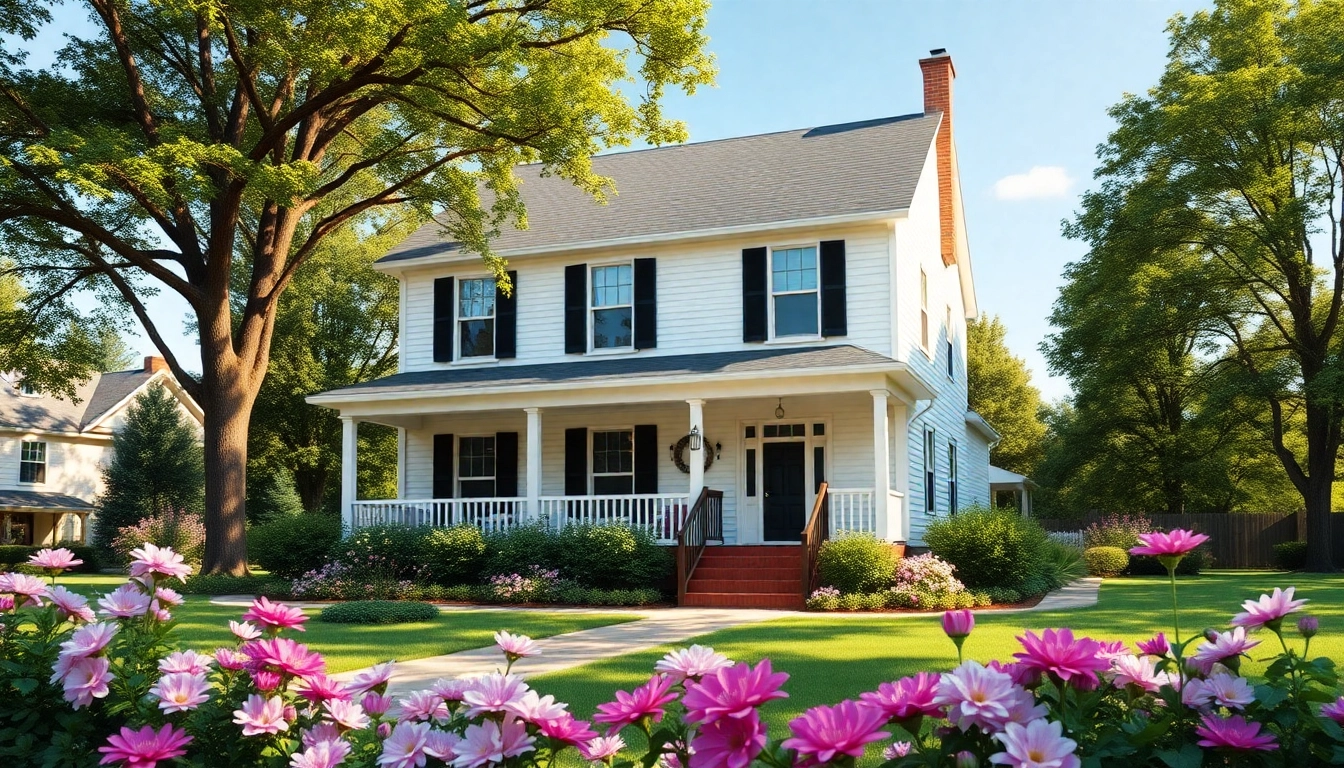
Colonial homes are known for their symmetrical shape and balanced proportions. Some hallmark features include:
- Colonial Windows: Multi-pane windows are a classic characteristic, often with shutters on either side.
- Gabled Roofs: Steep roofs help shed snow, particularly in northern climates.
- Central Entryways: A focal point, typically framed by transom windows and sidelights.
- Fireplaces: Large brick or stone fireplaces serve as both functional and aesthetic elements within the home.
These features not only add to the historical allure of colonial architecture but also provide a timeless elegance that transcends trends over time.
Benefits of Choosing Colonial Architecture
Building a colonial home offers several benefits that appeal to a wide range of homeowners:
- Timeless Design: Colonial homes maintain classic aesthetics that rarely go out of style.
- Energy Efficiency: Many colonial designs incorporate energy-efficient building methods suitable for modern needs.
- Space Utilization: The layout often maximizes functional living space, catering to both family life and entertaining.
- Increased Value: Colonial homes often appreciate in value over time, making them a sound investment.
Choosing a colonial home build is not only a path toward a beautiful living environment but also a prudent choice for long-term value and satisfaction.
Planning Your Colonial Home Build
Effective planning is crucial in the process of building a colonial home. The design, which blends historical structure with modern convenience, requires a strategic approach to ensure success.
Essential Steps in the Design Process
The design process for a colonial home begins with careful consideration of aesthetics, function, and location:
- Define Your Vision: Determine the overall style and features you would like in your colonial home.
- Engage an Architect: Work with a professional who specializes in colonial architecture to ensure your vision is brought to life correctly.
- Create a Floor Plan: Develop a layout that maximizes space while adhering to traditional colonial aesthetics.
- Site Assessment: Examine the land where the home will be built to identify potential challenges and advantages.
By following these steps, you lay a solid foundation for a successful colonial home build.
Choosing the Right Location for Your Build
The location of your colonial home significantly impacts its overall design and livability. Be mindful of the following factors when selecting a site:
- Environmental Factors: Consider exposure to sun, wind, and rainfall, which can affect energy efficiency.
- Accessibility: Ensure that the site is easily accessible by road and close to essential amenities.
- Community Regulations: Check local zoning laws and building codes to ensure compliance with colonial home features.
A well-selected location not only enhances the home’s aesthetic appeal but also contributes to the overall quality of life for its occupants.
Budgeting for a Colonial Home Build
Budgeting is a key element of the colonial home building process. All aspects of the build, from materials to labor, will impact your financial planning:
- Initial Estimates: Get quotes from various contractors and suppliers to establish a baseline budget.
- Contingency Fund: Set aside about 10-20% of your total budget to cover unexpected costs that may arise during construction.
- Long-Term Costs: Factor in future costs such as maintenance and energy bills to get a holistic view of your investment.
By understanding the financial implications upfront, you can make informed decisions throughout the building process.
Selecting Materials for Colonial Home Build
The choice of materials is paramount when constructing a colonial home, as they must complement the overall architectural style while ensuring longevity and sustainability.
Traditional Materials to Consider
Using traditional materials can evoke the authentic charm of colonial architecture. Common options include:
- Wood: Often used for framing, siding, and flooring, wood is a staple in colonial homes.
- Brick: Ideal for providing a sturdy and weather-resistant exterior, bricks are synonymous with Southern Colonial homes.
- Stone: Used in foundations and fireplace construction, stone enhances durability and classic aesthetic appeal.
Carefully selecting traditional materials will help maintain the historical integrity of your colonial home while offering durability and style.
Eco-Friendly Options for Modern Builds
In modern construction, eco-friendly materials have gained popularity, merging efficiency with sustainability. Consider the following:
- Reclaimed Wood: Sourced from old buildings, it adds character while being environmentally conscious.
- Energy-Efficient Windows: Fitted with low-e glass, these windows enhance insulation, reducing energy bills.
- Insulated Concrete Forms (ICFs): These provide strong thermal insulation, contributing to energy savings.
Incorporating eco-friendly materials harmonizes colonial architecture with contemporary sustainability practices.
Sourcing Quality Supplies for Construction
Sourcing high-quality materials and supplies is crucial for a successful build. Here are some strategies:
- Research Local Suppliers: Focus on suppliers who specialize in historical building materials.
- Network with Builders: Collaborate with experienced builders who are knowledgeable about sourcing traditional materials.
- Attend Trade Shows: Explore options at construction trade shows where suppliers showcase high-quality products.
When sourcing materials, quality should always take precedence to ensure the structural integrity and aesthetic appeal of your colonial home.
Design Trends in Colonial Home Build
While honoring tradition is essential, it is also possible to integrate contemporary design trends into your colonial home. This balance can create a unique living space that reflects personal tastes while respecting architectural heritage.
Embracing Classic and Modern Elements
Striking a balance between classic elements and modern updates can enhance the functionality and flair of your home:
- Open Floor Plans: Break away from traditional segmented areas, allowing for spacious, interconnected living spaces.
- Sleek Appliances: Incorporate modern kitchen appliances that blend in with the historical aesthetic.
- Smart Home Technology: Installing smart systems for security and energy management can seamlessly integrate into the traditional design.
By combining timeless features with modern conveniences, your colonial home can be both charming and efficient.
Interior Design Ideas for Colonial Homes
Furnishing and decorating a colonial home requires thoughtful attention to detail and an appreciation for the past. Here are some ideas to get started:
- Antique Furniture: Choose vintage pieces that reflect the colonial era, adding to the historical ambiance.
- Rich Textiles: Use fabrics like wool, cotton, and linen in period-appropriate patterns to enhance cozy interiors.
- Color Palettes: Opt for muted color schemes, such as soft greens, blues, and earthy tones that echo nature.
Every choice in your interior design can reinforce the colonial character while making your home inviting and functional.
Innovative Technologies for Efficiency
Modern building technologies can greatly enhance the efficiency and sustainability of colonial homes. Here are some innovations to consider:
- Geothermal Heating: This eco-friendly heating system can reduce energy use while maintaining comfort indoors.
- Solar Panels: Integrating solar panels on the roof can provide renewable energy and lower utility costs.
- Smart Thermostats: These devices can optimize heating and cooling schedules, further improving efficiency.
Employing innovative technologies can lead to significant cost savings and increased efficiency in your new colonial home.
Maintenance and Longevity of Colonial Homes
Once constructed, proper maintenance is integral to the longevity of any home, particularly colonial architecture, known for its intricate designs and traditional materials.
Seasonal Care Tips for Colonial Architecture
Providing seasonal care ensures your colonial home remains in excellent condition year-round. Here are key maintenance tasks:
- Spring: Inspect the roof for winter damage, clean gutters, and check for signs of pests.
- Summer: Examine the exterior paint for wear and touch up as necessary to prevent wood rot.
- Fall: Prepare the home for winter by winterizing windows, checking the HVAC system, and cleaning the chimney.
- Winter: Inspect insulation, especially in attics, to ensure warmth and energy efficiency.
Adhering to seasonal care helps preserve the home’s appearance and functionality over the years.
Common Issues and Repair Solutions
Colonial homes, due to their age and design, may encounter specific issues. Common challenges include:
- Wood Rot: Regularly inspect wooden elements and replace any that show signs of decay.
- Drafts: Seal gaps around windows and doors to improve energy efficiency and comfort.
- Pest Infestations: Schedule regular inspections to prevent and address infestations early.
Proactive maintenance can remedy these issues swiftly, ensuring a lasting home environment.
Enhancing Value Through Upkeep
Maintaining and enhancing your colonial home not only supports its beauty but also its market value:
- Consistent Upgrades: Replace outdated features with modern upgrades that do not sacrifice style.
- Professional Inspections: Regular evaluations by a qualified inspector can highlight potential issues before they escalate.
- Landscaping: Invest in outdoor aesthetics to boost curb appeal and value.
With careful planning and maintenance, you can ensure that your colonial home remains a valuable asset for years to come.
FAQs
What is a colonial home?
A colonial home features a symmetrical design with a central entryway, double-hung windows, and steep roofs. It is rooted in historical architecture dating back to the 1600s.
How can I modernize my colonial home?
Modernize a colonial home by integrating open floor plans, energy-efficient appliances, and smart home technology while retaining classic design elements.
What are the costs associated with building a colonial home?
Costs can vary widely based on location, materials, and size. Consider budgeting for land, construction, landscaping, and ongoing maintenance.
Are colonial homes energy efficient?
Many colonial homes can be energy efficient when designed with modern insulation, double-pane windows, and energy-efficient HVAC systems.
What maintenance is required for a colonial home?
Maintenance includes seasonal inspections of the roof, gutters, and exterior, plus addressing common issues like wood rot and drafts promptly.