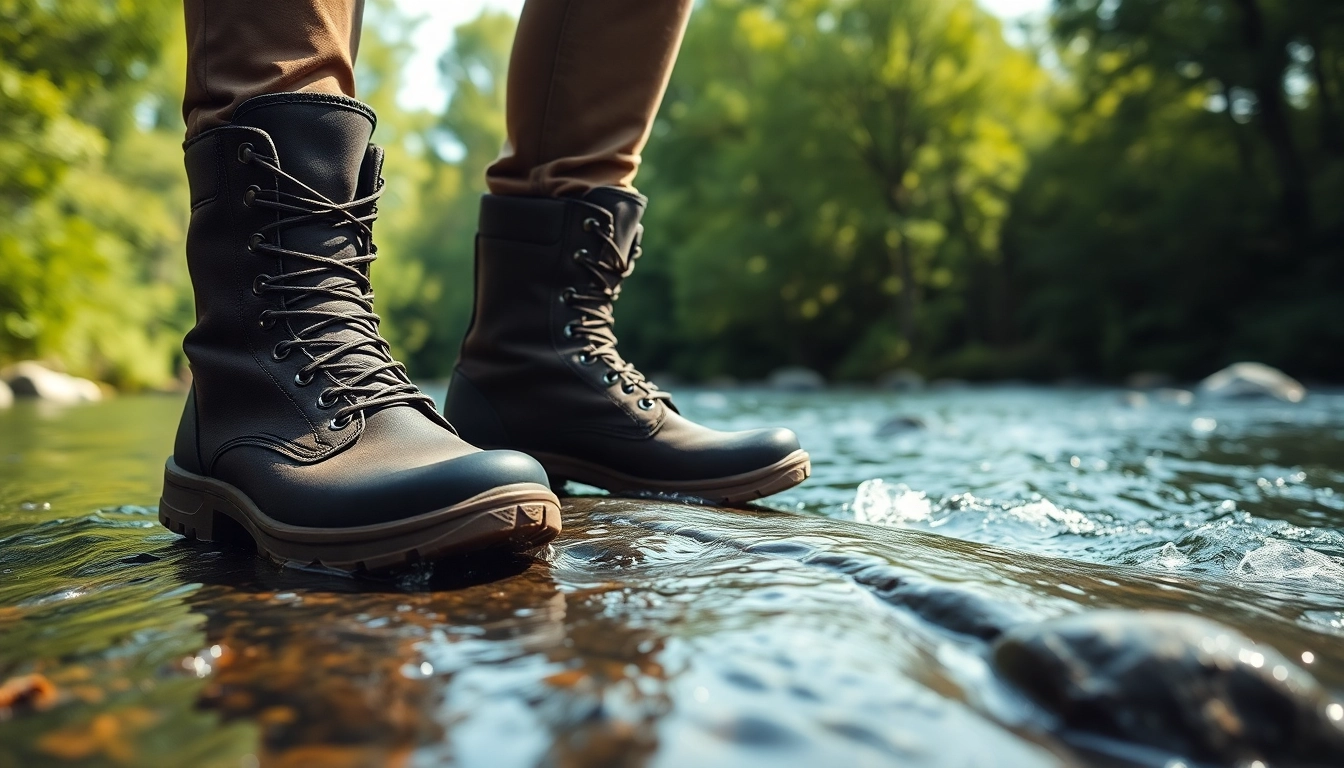
Understanding the Importance of Fly Fishing Boots
When it comes to fly fishing, the right equipment can significantly enhance your experience. One often overlooked but crucial piece of gear is a reliable pair of fly fishing boots. These boots not only provide comfort and protection but also directly influence your performance on the water. Understanding what to look for in fly fishing boots and the benefits they offer can elevate your fishing adventures.
Why Quality Matters in Fly Fishing Boots
The quality of fly fishing boots is paramount. High-quality boots are designed to withstand diverse environments, from rocky shorelines to muddy riverbanks. They offer durability, which translates to a longer lifespan and better investment. Poor-quality boots can lead to blisters, discomfort, and even foot injuries, which can ruin an otherwise enjoyable day of fishing.
Key Features to Look For
When searching for the perfect fly fishing boots, several key features should be evaluated:
- Water Resistance: Opt for boots with waterproof materials or treatment to keep your feet dry.
- Traction: A good grip is essential for stability on slippery surfaces.
- Cushioning: Look for boots with suitable insoles and cushioning for comfort during long hours of use.
- Weight: Lightweight boots enhance mobility, especially when navigable across unpredictable terrains.
- Versatility: Boots that can accommodate various conditions and environments are ideal for all types of anglers.
Impact on Fishing Performance
The right pair of fly fishing boots can dramatically improve your fishing performance. Boots that fit well and offer proper support help maintain your balance and agility while wading. This can be the difference between landing that big catch or having it slip away due to poor footing. Additionally, comfortable boots reduce fatigue, allowing you to stay on the water longer.
Types of Fly Fishing Boots Available
Wading Boots vs. Regular Boots
Wading boots are specifically designed for fishing, equipped with features that regular boots lack. They often have reinforced soles for traction and support, while regular boots may not provide the same stability or grip in wet conditions. If you’re serious about fly fishing, investing in a quality pair of wading boots is essential.
Material Types and Their Benefits
The materials used in fly fishing boots vary, each offering unique benefits:
- Neoprene: Offers insulation against cold water but may not be as durable over time.
- Leather: Known for durability and support, but can be heavier and require more maintenance.
- Synthetic Materials: Light, breathable, and quick-drying options that are perfect for warm weather.
Choosing Between Slip-On and Laced Models
Choosing between slip-on and laced boots depends on personal preference and usage. Slip-on boots provide ease and convenience for quick trips, while laced models allow for customizable fit and security, making them ideal for rugged terrains.
How to Fit Fly Fishing Boots Properly
Measuring Foot Size for Optimal Comfort
Proper fitting of fly fishing boots starts with accurately measuring your foot size. Always measure both feet, as one may be larger than the other, and choose the size that fits your larger foot comfortably. It’s important to account for the thickness of the socks you’ll be wearing, as thicker socks can enhance insulation but may also influence fit.
Considerations for Wader Compatibility
When selecting boots, consider the compatibility with your waders. Ensure that the boot design can accommodate the wader cuffs without pinching or causing discomfort. A boot that integrates well with your waders allows for better mobility and a complete, comfortable outfit for fishing.
Testing for Ease of Movement
Once you have selected a pair of boots, it’s crucial to test them for ease of movement. Walk around, bend, and try to mimic the motions you will perform while fishing. Ensure that the boots feel comfortable without constricting or causing pressure points.
Care and Maintenance of Fly Fishing Boots
Cleaning to Extend Longevity
Regular cleaning can extend the life of your fly fishing boots significantly. Removing dirt, sand, and moisture after each outing prevents wear and tear. Use a soft brush and mild soap to clean your boots, avoiding harsh chemicals that might degrade the materials.
Inspecting for Wear and Tear
Periodically inspect your boots for signs of damage such as cracks, worn-out soles, or delamination. Early detection of wear allows for timely repairs, potentially saving you from having to invest in a new pair.
Storage Tips for Different Seasons
Store your fly fishing boots in a cool, dry place to help maintain their shape and functionality. Avoid leaving them in direct sunlight or in damp areas, as this can cause materials to break down. For winter storage, consider using boot trees to help maintain their shape and absorb moisture.
Frequently Asked Questions About Fly Fishing Boots
What Are the Benefits of Waterproof Fly Fishing Boots?
Waterproof fly fishing boots keep your feet dry and comfortable, preventing blisters and discomfort during fishing. They enhance your performance by allowing you to wade into deeper waters without fear of soggy feet.
Can I Use Regular Boots for Fly Fishing?
While regular boots may provide some support, they often lack the necessary grip, comfort, and waterproof features that dedicated fly fishing boots offer, which can hinder performance in challenging conditions.
How Should Fly Fishing Boots Fit?
Fly fishing boots should fit snugly but not too tight, allowing for movement without excess clumping or pinching. Ensure there is enough room for thick socks often worn while fishing.
What Is the Average Lifespan of Fly Fishing Boots?
The lifespan of fly fishing boots can vary from one season to several years, depending on usage, quality, and maintenance. Regular care can prolong their usability significantly.
Are There Eco-Friendly Options for Fly Fishing Boots?
Yes, many brands are now offering eco-friendly fly fishing boots made from sustainable materials and processes, appealing to environmentally conscious anglers.