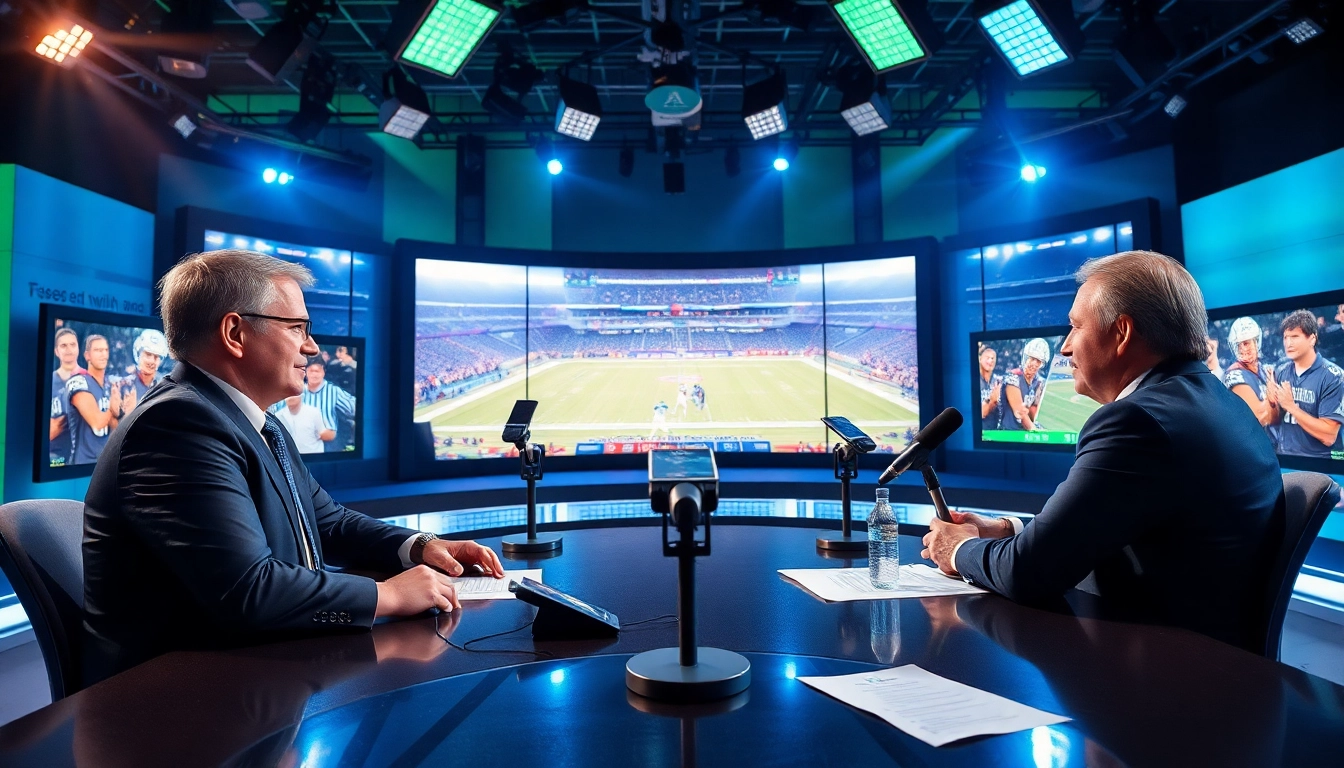
Understanding Sports Broadcasting Today
The landscape of Sports Broadcasting has undergone significant transformations over the past few decades. From simple radio broadcasts covering local games to expansive, multi-platform offerings that allow fans to consume content anytime and anywhere, the evolution continues to shape the way sports fans engage with their favorite teams and events. Understanding this landscape is crucial for broadcasters, marketers, and sports organizations aiming to thrive in the dynamic market.
The Evolution of Sports Broadcasting
Historically, sports broadcasting began with radio transmissions in the early 20th century, providing updates for fans who couldn't attend games in person. The transition to television in the 1950s revolutionized sports viewership, bringing vivid images and commentary into homes around the world. Over the decades, channels dedicated solely to sports have proliferated, and the advent of cable and satellite TV expanded audiences substantially.
The 2000s saw the introduction of digital streaming platforms, allowing fans to access live events on their devices. With social media further enhancing fan engagement, today's broadcasting landscape is characterized by an incredible variety of content available across multiple channels, including podcasts, vlogs, and interactive websites. Broadcasters are now expected to deliver high-quality content that is both timely and relatable to cater to an ever-growing audience.
Key Challenges in Sports Broadcasting
While sports broadcasting offers tremendous opportunities, it also presents several challenges. First, the sheer number of channels can lead to audience fragmentation, making it harder for broadcasters to capture and retain viewers. Additionally, competition has intensified due to new entrants and technological innovations that democratize content creation.
Another pressing issue is the evolving regulatory landscape concerning rights management, as broadcasters struggle to secure exclusive rights and negotiate favorable deals with leagues and organizations. Furthermore, meeting the diverse expectations of viewers in terms of content quality and delivery formats adds an additional layer of complexity to the broadcasting process.
Consumer Demand and Preferences
The demands and preferences of consumers have dramatically shifted in recent years. Viewers today expect more than just traditional broadcasts; they seek engagement, interaction, and personalization. The rise of mobile devices has significantly influenced viewing habits, with many fans preferring to watch events on their phones or tablets. Factors such as accessibility, content diversity, and interactivity play pivotal roles in shaping consumer behavior.
Moreover, younger audiences, particularly Gen Z and Millennials, prioritize instant access to highlights, behind-the-scenes content, and real-time commentary. Thus, broadcasters must adapt to these preferences, ensuring they deliver not only live events but also supplementary content that enhances the viewing experience.
Innovative Technology in Sports Broadcasting
Advancements in technology have been at the forefront of improving the sports broadcasting experience. The integration of innovative tech solutions allows broadcasters to provide enriched content, attract and engage audiences, and elevate fan experiences.
Live Streaming Solutions
The introduction of live streaming platforms has transformed how sports are consumed. Viewers can now watch games in real time from virtually anywhere, creating an unprecedented level of convenience. Notably, platforms like OTT (Over-The-Top) services allow broadcasters to reach audiences without traditional cable subscriptions, thereby expanding their market reach.
Additionally, live streaming enables enhanced interactivity through features such as real-time polling, multi-camera angles, and audience chats. These capabilities not only make the viewing experience more dynamic but also help broadcasters gather valuable data on audience preferences, directly informing content strategies.
Augmented Reality Applications
Augmented reality (AR) is reshaping how fans experience sports broadcasting by adding layers of interactive content to live events. AR enhances the viewing experience through immersive graphics, instant statistics, and information overlays displayed in real time. For instance, during a game, viewers might see player stats or game analysis superimposed on their screens, providing them with richer context without disrupting the flow of the broadcast.
By incorporating AR, broadcasters can offer unique and differentiated experiences—something that is especially appealing to younger audiences who value interactivity and engagement. This technology not only benefits viewers but also creates new advertising opportunities for brands looking to target sports consumers in innovative ways.
Data Analytics for Enhanced Experiences
Data analytics has become integral to sports broadcasting, allowing broadcasters to make informed decisions regarding content programming, viewer engagement tactics, and marketing strategies. Utilizing data, broadcasters can analyze viewer behavior, preferences, and trends to craft personalized content experiences.
Moreover, real-time analytics during live events facilitate instant decision-making that enhances viewer satisfaction. Broadcasters can quickly adjust programming based on audience reactions and engagement rates, ensuring they remain responsive to viewer needs. As a result, data-driven strategies are becoming fundamental in maximizing both engagement and revenue.
Building Effective Sports Broadcasting Strategies
To succeed in the competitive world of sports broadcasting, organizations must develop robust strategies that prioritize audience engagement, content quality, and effective monetization methods.
Content Creation Best Practices
Quality content lies at the heart of successful sports broadcasting. Broadcasters should prioritize delivering high-caliber, relevant, and timely content that caters to their target audience. Engaging storytelling that highlights team dynamics, athletic achievements, and emotional moments resonates strongly with viewers.
In addition, embracing various formats—such as live broadcasts, podcasts, highlight reels, and short-form videos—allows broadcasters to cater to different viewer preferences and behaviors. Consistent branding and clear messaging are essential for building audience trust and recognition, further solidifying engagement.
Audience Engagement Techniques
Building and maintaining a dedicated audience requires innovative engagement techniques. Fan interaction during broadcasts, such as social media shout-outs, polls, or live Q&A sessions, fosters a sense of community. By inviting fans to be part of the conversation, broadcasters can create memorable experiences that encourage loyalty and sustained viewership.
Additionally, tailoring content for localized audiences and addressing the specific interests of different demographic segments can boost engagement levels. Effective segmentation of audiences allows broadcasters to deliver relevant content that aligns with viewers' preferences, incentivizing further interaction and loyalty.
Monetization Strategies for Broadcasters
Developing sustainable monetization strategies is crucial for the long-term success of sports broadcasting operations. Traditional revenue streams such as advertising and sponsorships remain important, but broadcasters must also explore alternative methods. Pay-per-view models, subscription services, and premium content offerings can introduce new revenue opportunities.
Furthermore, partnerships with brands for co-branded content can yield mutual benefits, enhancing the viewer experience while generating revenue. By diversifying revenue streams, broadcasters can achieve greater stability and scalability in their business models.
Performance Metrics in Sports Broadcasting
Measuring the success of sports broadcasting initiatives through performance metrics is vital for continuous improvement and strategic planning. Accurate analysis allows broadcasters to understand their audience better and make informed decisions moving forward.
Measuring Viewer Engagement
Engagement metrics are essential for assessing how well broadcasters connect with their audience. Key performance indicators might include total view counts, average watch time, interaction rates on social media platforms, and viewer feedback during and after broadcasts.
Leveraging tools that track these metrics provides insights into viewer preferences, helping broadcasters tailor their content and engagement strategies in alignment with audience expectations.
Advertising Revenue Analysis
Understanding the financial performance of advertising initiatives is crucial for broadcasters. Analyzing ad impressions, click-through rates, and conversion rates enables broadcasters to evaluate the effectiveness of their advertising strategies.
Regular audits of advertising revenues versus costs allow broadcasters to refine their strategies, negotiate better deals, and assess which advertising formats yield the highest returns. This financial insight is essential in building sustainable business practices within the broadcasting industry.
Understanding Audience Demographics
Audience demographics play a significant role in crafting effective broadcasting strategies. By understanding the age, gender, location, and interests of their viewers, broadcasters can tailor content to meet the unique needs of different segments.
Comprehensive demographic analysis, paired with audience feedback and behavior data, allows broadcasters to optimize their programming and marketing efforts, ensuring they resonate with the target audience while enhancing engagement.
Future Trends in Sports Broadcasting
As technology and viewer expectations evolve, the future promises various exciting developments in sports broadcasting. Awareness of these trends is essential for broadcasters aiming to stay ahead of the curve.
Impact of AI on Sports Coverage
Artificial intelligence (AI) holds enormous potential for revolutionizing sports broadcasting. AI-driven tools can analyze vast amounts of data, generating predictive insights that enhance coverage and fan engagement. For instance, AI can help in creating personalized highlights tailored to individual viewer preferences.
Additionally, AI can automate processes such as real-time commentary generation, enhancing the efficiency of production while maintaining content quality. As AI technologies continue to improve, their integration into broadcasting will likely expand, offering innovative solutions for engaging and retaining viewers.
Sustainability in Broadcasting Practices
With the growing concern for environmental sustainability, broadcasters must consider eco-friendly practices within their operations. This includes reducing energy consumption, minimizing waste in production processes, and promoting sustainability-focused narratives in sports coverage.
Incorporating sustainability not only attracts a conscientious audience but can also enhance the broadcaster's image as a responsible entity. By adopting green practices, broadcasters can differentiate themselves in a crowded market while contributing positively to society.
Predictions for the Future of Sports Broadcasting
Looking ahead, the future of sports broadcasting is likely to be defined by enhanced interactivity, personalization, and integration with emerging technologies. As audiences continue to seek immersive experiences, virtual reality (VR) and gamification elements may play more prominent roles in broadcasting strategies.
Moreover, as consumer trends shift towards on-demand and remote accessibility, broadcasters will need to remain agile, adapting their strategies to meet the evolving expectations of their viewers. The fusion of technology, creativity, and audience engagement will ultimately dictate the trajectory of sports broadcasting in the coming years.
FAQs About Sports Broadcasting
What is sports broadcasting?
Sports broadcasting refers to the dissemination of live sports events over television, radio, or digital platforms, enabling viewers to watch and support their favorite teams.
How has technology influenced sports broadcasting?
Technology has transformed sports broadcasting by enabling live streaming, enhancing interactivity, and incorporating data analytics to enhance viewer experiences and engagement.
What strategies can increase audience engagement in sports broadcasting?
Broadcasters can enhance audience engagement through interactive content, community-building activities, localized programming, and quality storytelling.
What are common revenue streams in sports broadcasting?
Revenue streams include advertising, sponsorships, subscription models, pay-per-view services, and partnerships with brands for co-branded initiatives.
What are the future trends in sports broadcasting?
Future trends include the integration of AI, AR and VR technologies, a focus on sustainability, and enhanced personalization of content to meet viewer demands.