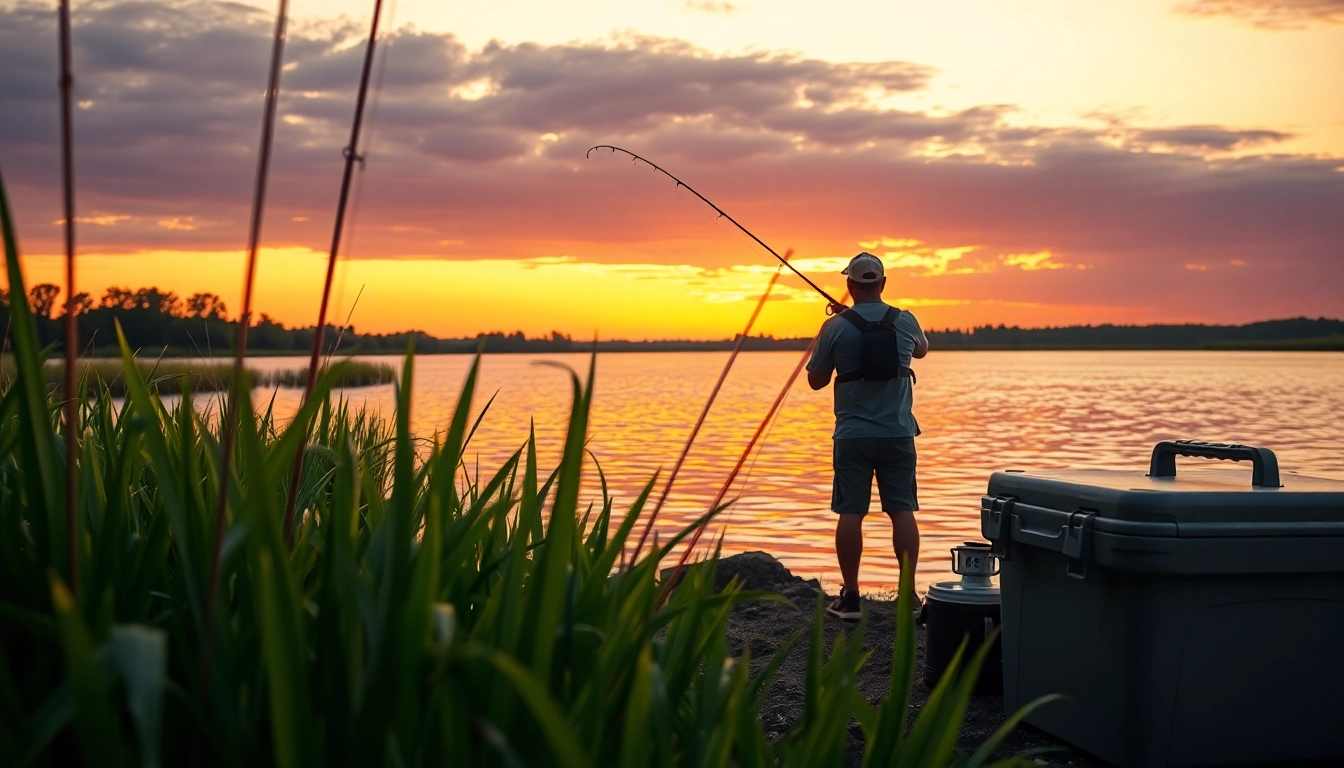
Understanding Fly Fishing for Bass
Fly fishing for bass is an exhilarating and challenging pursuit that combines finesse, technique, and a deep understanding of the aquatic environment. Bass are one of the most popular game fish among angers for their aggressive behavior and willingness to strike a well-presented fly. Whether you're a seasoned angler or just starting, dive into this comprehensive guide to master the art of fly fishing for bass. Discover the intricacies that make bass a unique target, explore the various species you might encounter, and learn how fly fishing differs from traditional methods. For an extensive selection of gear and resources, check out Fly fishing for bass.
What Makes Bass a Unique Target?
Bass are known for their aggressive nature and strong fight, which makes them especially enticing to fly fishers. These fish display a range of behaviors that can affect their catchability, from foraging patterns to seasonal spawning activities. Understanding these nuances can significantly increase your success on the water.
- Adaptive Feeding Habits: Bass are opportunistic feeders, adjusting their diet based on the season and the availability of prey. They are known to feed on insects, smaller fish, and crustaceans, making a well-matched fly a critical element for success.
- Aggression: Bass often strike aggressively, providing an adrenaline rush when they take a fly. This striking behavior not only enhances the thrill of fishing but also allows for fun and dynamic fishing experiences.
- Variety of Fishing Styles: Whether you prefer sight fishing in shallow areas or exploring deeper structures, bass provide a diverse range of fly fishing opportunities to match different preferences and skill levels.
The Types of Bass Species for Fly Fishing
When it comes to fly fishing for bass, two dominant species are commonly targeted: largemouth bass and smallmouth bass. Each presents unique challenges and rewards.
- Largemouth Bass: Typically found in warm, weedy environments, largemouth bass thrive in lakes, ponds, and slow-moving rivers. Their large mouths allow them to gulp prey, increasing their catch probability on larger flies.
- Smallmouth Bass: Preferring cooler, more flowing water, smallmouth bass are often found in rivers and streams. They are known for their tenacity and are adept at evading capture, making them an exciting target for fly fishing enthusiasts.
Fly Fishing vs. Traditional Fishing: Key Differences
While many anglers are accustomed to traditional baitcasting or spinning techniques, fly fishing offers a distinct approach that allows for greater versatility and creativity. Here are some notable differences:
- Technique: Fly fishing uses a specialized line and lighter bait, allowing anglers to ‘present’ flies in a manner that mimics natural movements. This method contrasts sharply with conventional fishing, which often relies on weight to cast bait.
- Presentation: The presentation of the fly is crucial in fly fishing, as it mimics the movement and appearance of insects or baitfish, while traditional fishing may focus on the type of bait used.
- Connection to Nature: Fly fishing typically requires greater environmental engagement. Anglers often study insect hatches and water conditions to improve their chances, promoting a deeper understanding of the aquatic ecosystem.
Essential Gear for Fly Fishing for Bass
Choosing the right gear is instrumental to successful bass fly fishing. From rods to reels and flies, having the correct equipment enhances your performance and enjoyment on the water.
Choosing the Right Fly Rod and Reel
When it comes to fly rods for bass fishing, a few specific characteristics are worth considering:
- Rod Weight: Most anglers opt for a rod weight in the range of 7 to 9 for bass. A heavier rod enables the casting of larger flies and handles the vigorous fight bass are known for.
- Length: A 9-foot rod is standard, providing the leverage needed for casting and fighting fish. However, shorter rods may be beneficial in tight spaces or when targeting smallmouth in rivers.
- Reel Specifications: Select a reel that balances well with your rod and can accommodate a substantial amount of backing. Its drag system should be smooth to account for the sudden runs of bass.
Best Flies for Bass Fly Fishing
Choosing the correct fly is critical for attracting bass. Popular patterns that have proven effective include:
- Clouser Minnow: This versatile pattern imitates smaller baitfish and can be fished at various depths.
- Bass Popper: Surface flies that create disturbance can trigger aggressive strikes from bass, especially during warmer months.
- Streamers: Larger streamers that represent prey vulnerable to bass can be effective in deeper water, demanding a heavy sink line for proper presentation.
Accessories That Make a Difference
In addition to the primary rods and reels, several accessories can prove invaluable on your fly fishing adventures:
- Fly Box: A sturdy and water-resistant fly box helps you keep your flies organized and secure while you fish.
- Leaders and Tippets: A good leader of 9-12 feet connected to a tippet specifically designed for bass can substantially enhance your catch rate.
- Net and Release Tools: Consider using a catch and release net and tools that facilitate minimally invasive handling of bass to ensure their survival post-catch.
Techniques to Enhance Your Fly Fishing Skills
Improving your fly fishing skills goes beyond having the right gear. Here are strategies and techniques that can significantly elevate your overall experience and success rates.
Reading Water: Where to Find Bass
Knowing where to cast your fly is crucial for success. Bass often seek specific structures and conditions within the water:
- Structure: Look for submerged rocks, fallen trees, and weed beds where bass often hide to ambush prey.
- Current: Smallmouth bass are often found in currents, while largemouth prefer calm areas near the shoreline.
- Shadows: Bass may be ambushed in shaded areas, especially on sunny days, making them suitable target zones.
Efficient Casting Techniques for Precision
Effective casting is a fundamental skill in fly fishing. Here are tips for achieving more accurate and controlled casts:
- Accuracy Casting: Practicing shorter, more deliberate casts can greatly improve your precision when targeting isolated structures.
- Roll Cast: A roll cast can be advantageous when casting in confined spaces where traditional backcasting is impractical.
- Double Haul: Mastering the double haul technique can help you cast longer distances with less effort by increasing the line speed.
Retrieve Styles to Catch More Bass
The retrieve technique can make a significant difference in enticing bass to bite. Explore popular styles:
- Strip Retrieve: A steady retrieval at varying speeds can mimic a fleeing baitfish, enticing bass to strike out of instinct.
- Pulsed Retrieve: Alternating between short quick strips and pauses can create a more dynamic presentation that captures a bass’s attention.
- Dead Drift: Allowing the fly to drift naturally can be highly effective when targeting feeding bass that are less aggressive.
Seasonal Strategies for Fly Fishing Bass
Seasons significantly influence bass behavior and their feeding patterns. By adjusting your strategies throughout the year, you can enhance your fishing outcomes.
Spring and Summer Fly Fishing Tips
As the water warms, bass become more active and seek spawning sites:
- During the Pre-spawn: Focus on shallow areas where bass are building their nests and actively feeding.
- Post-spawn Behavior: After spawning, bass may retreat to deeper waters or structure; target these areas using heavier flies to reach them more effectively.
Fall Techniques for Bass Fishing
As temperatures begin to cool, bass start to school again in preparation for winter:
- Targeting Schools: Look for balls of baitfish and cast into the fray, as bass will often feed aggressively during this time.
- Darker Flies: In murky waters of autumn, consider using darker flies that create more visibility and contrast.
Winter Bass Fishing: What to Know
Despite colder temperatures, fly fishing for bass can still be productive with the right tactics:
- Slow Retrieval: In colder water, retrieve your flies more slowly to mimic sluggish prey that bass are accustomed to during winter months.
- Deeper Water Fishing: Focus your efforts on deeper lakes or river sections where bass tend to congregate when temperatures drop.
Conservation and Responsible Fly Fishing
As advocates for the environment, fly fishers bear the responsibility of practicing sustainable fishing methods. Understanding conservation efforts is critical for preserving the waters we cherish.
Catch and Release Best Practices
Enhancing the survival rate of released bass can be achieved through careful handling techniques:
- Wet Your Hands: Always wet your hands before handling fish to minimize damage to their slime coating.
- Minimal Air Exposure: Keep fish in the water as much as possible and limit their time out of the water.
The Impact of Environmental Changes
Be aware of how various environmental factors can affect bass populations:
- Water Quality: Pollution and runoff can harm bass habitats; advocacy for clean waterways is essential.
- Habitat Conservation: Support initiatives that protect and restore habitats crucial for spawning and feeding.
Joining Local Conservation Efforts
Participating in local conservation efforts is an excellent way to give back and ensure productive fisheries for future generations:
- Volunteer Programs: Engage in clean-up events or habitat restoration projects organized by local conservation groups.
- Education and Advocacy: Stay informed about policies affecting fisheries and work with local organizations to promote conservation-related legislation.
By immersing yourself in the world of bass fly fishing and committing to a sustainable angling approach, you'll not only enhance your fishing skills but also contribute to the longevity of this exciting sport. With the right equipment, techniques, and a strong environmental ethos, your fly fishing journey is sure to be rewarding.