Introduction to Carolina Dance
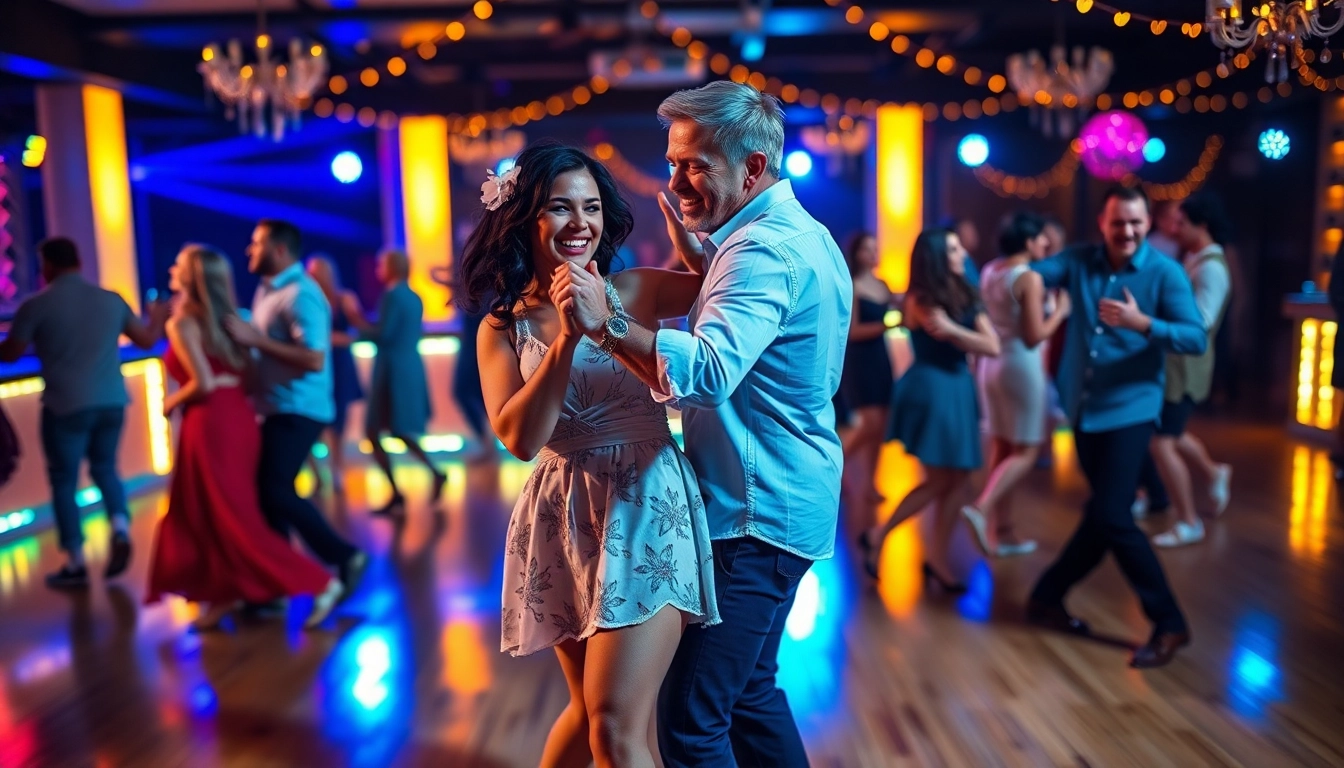
For enthusiasts and newcomers alike, Carolina Dance embodies more than just a style; it represents a vibrant cultural expression rooted in community and joy. This dance form primarily thrives along the coast of South Carolina and North Carolina, characterized by its intricate footwork and smooth, flowing transitions. As a partner dance performed mainly to beach music, Carolina Dance has become a beloved fixture in numerous social dance events, competitions, and festivals.
What is Carolina Dance?
Carolina Dance, commonly known as the Carolina Shag, is a quintessential partner dance that developed during the 1930s. The dance itself features a distinctive 8-count pattern, which allows dancers to showcase creativity while maintaining synchronous movement with their partners. Usually performed to rhythm and blues or beach music, Carolina Dance invites dancers to express themselves through improvisation and connection with one another.
The History Behind Carolina Dance
The origins of Carolina Dance can be traced back to the post-World War II era, particularly along the coastline of the Carolinas. Beach music, a blend of rhythm and blues, soul, and swing, heavily influenced the development of this dance style. Social gatherings and dance clubs became hubs for enthusiasts, allowing the form to evolve. Historical elements and regional flavors continue to shape Carolina Dance, making it a unique accomplishment of Southern culture.
Styles and Variations of Carolina Dance
Over the years, Carolina Dance has branched into various styles and interpretations, each reflecting the individual influences of dancers and instructors. Some of these variations include:
- Classic Shag: The original form that emphasizes smooth movement, a laid-back feel, and playful footwork.
- Competitive Shag: A more technical variant showcased at dance competitions that adheres to specific rules about timing and placement.
- Show Shag: Often choreographed with theatrical flair, incorporating intricate turns and formations.
Basic Techniques of Carolina Dance
Fundamental Steps for Beginners
For those new to Carolina Dance, mastering the fundamental steps is essential. Beginners are encouraged to start with the basic step, often referred to as the "Shag step," which consists of a series of quick weight shifts on each foot:
- Step back on the right foot.
- Shift weight to the left foot.
- Step forward on the left foot.
- Shift weight to the right foot.
Repeating this pattern helps build muscle memory and a sense of rhythm, laying the groundwork for more complex movements.
Understanding Rhythm and Timing in Carolina Dance
Timing plays a crucial role in Carolina Dance, particularly when dancing to live music. Dancers should focus on the 4/4 time signature commonly found in beach music. Each step aligns with the beat, allowing for a fluid dance experience. Advanced practitioners often incorporate syncopation, creating dynamic rhythms that add excitement to the performance.
Common Mistakes to Avoid While Learning Carolina Dance
While learning Carolina Dance, dancers are likely to encounter a few pitfalls. Here are some common mistakes to be aware of:
- Overthinking Steps: Focus on enjoying the dance rather than getting every step perfect.
- Inconsistent Timing: Work with music regularly to develop a strong sense of rhythm.
- Neglecting Connection: Carolina Dance is collaborative; ensure you remain connected with your partner throughout the dance.
Advanced Carolina Dance Moves
Essential Spins and Turns for Carolina Dance
Once mastered the fundamentals, dancers can elevate their skills with spins and turns. Incorporating these elements not only showcases skill but also enhances the overall aesthetic of the dance. Some popular moves include:
- Turn Exit: A stylish way to transition out of a basic step with fluid movement.
- Inside Turn: Allows a dancer to turn towards their partner while maintaining connection.
- Outside Turn: A turn that moves away from the partner, adding a dramatic flair to the dance.
Incorporating Style into Your Carolina Dance
Style is an essential aspect of Carolina Dance; dancers should strive to develop their unique expressions while remaining true to the dance's roots. Considerations for enhancing style include:
- Body Posture: Maintain a confident stance while allowing freedom in movement.
- Personal Flair: Integrate your personality into movements to create a distinctive style.
- Footwork Variation: Experiment with different foot patterns to diversify dance techniques.
Choreography Ideas Based on Carolina Dance
Creating choreography allows dancers to express their creativity uniquely. When choreographing based on Carolina Dance, principal aspects to consider include:
- Develop a clear storyline or theme to guide the choreography.
- Utilize various levels and formations to keep the performance engaging.
- Incorporate musicality and dynamics to enhance emotional impact.
The Community and Culture of Carolina Dance
Finding Carolina Dance Events and Workshops
Community engagement is a vital aspect of Carolina Dance. Many local dance studios and organizations regularly host events, workshops, and social dances that provide opportunities for dancers of all levels to participate. Whether it's a casual meet-up at a local dance club or an organized workshop led by professional instructors, these events foster camaraderie and growth within the dancing community.
The Role of Local Dance Clubs and Competitions
Local dance clubs serve as foundational pillars for the Carolina Dance community. These clubs provide a welcoming space for everyone to learn and practice Carolina Dance. Additionally, competitions allow dancers to showcase their skills and creativity, facilitating both personal improvement and community recognition. Participating in competitions can also inspire dancers to challenge themselves and explore new aspects of the dance.
Connecting with Other Carolina Dance Enthusiasts
Building connections within the Carolina Dance community can enhance the dance experience significantly. Social media platforms, local dance events, and even online forums provide valuable opportunities to meet fellow dancers. Sharing experiences, tips, and stories further enriches the understanding of Carolina Dance, solidifying passion and commitment to this energetic celebration of movement.
Benefits of Practicing Carolina Dance
Physical and Mental Health Advantages
Engaging in Carolina Dance offers numerous health benefits that extend beyond the dance floor. Physically, dancing is an excellent way to improve cardiovascular health, strength, and flexibility. The rhythmic, full-body movements requiring coordination connect physical activity with mental engagement, promoting overall wellness.
Social Benefits of Participating in Carolina Dance
The social aspect of Carolina Dance cannot be overstated. Dancing provides opportunities to meet new people and forge friendships based on shared interests. Attending dance events introduces individuals to a supportive and encouraging environment, fostering community bonds while boosting confidence.
Enhancing Coordination and Rhythm through Carolina Dance
Regular practice of Carolina Dance significantly enhances overall coordination and rhythm, skills that translate well into various aspects of life. The structured footwork and timing required encourage improved balance and agility, perfect for enhancing performance in other activities, both athletic and artistic. Moreover, the continual exposure to different musical styles enriches one's appreciation and understanding of rhythm, contributing to a well-rounded musical sensibility.