Understanding the Basics of VPN
Definition and Functionality of VPN
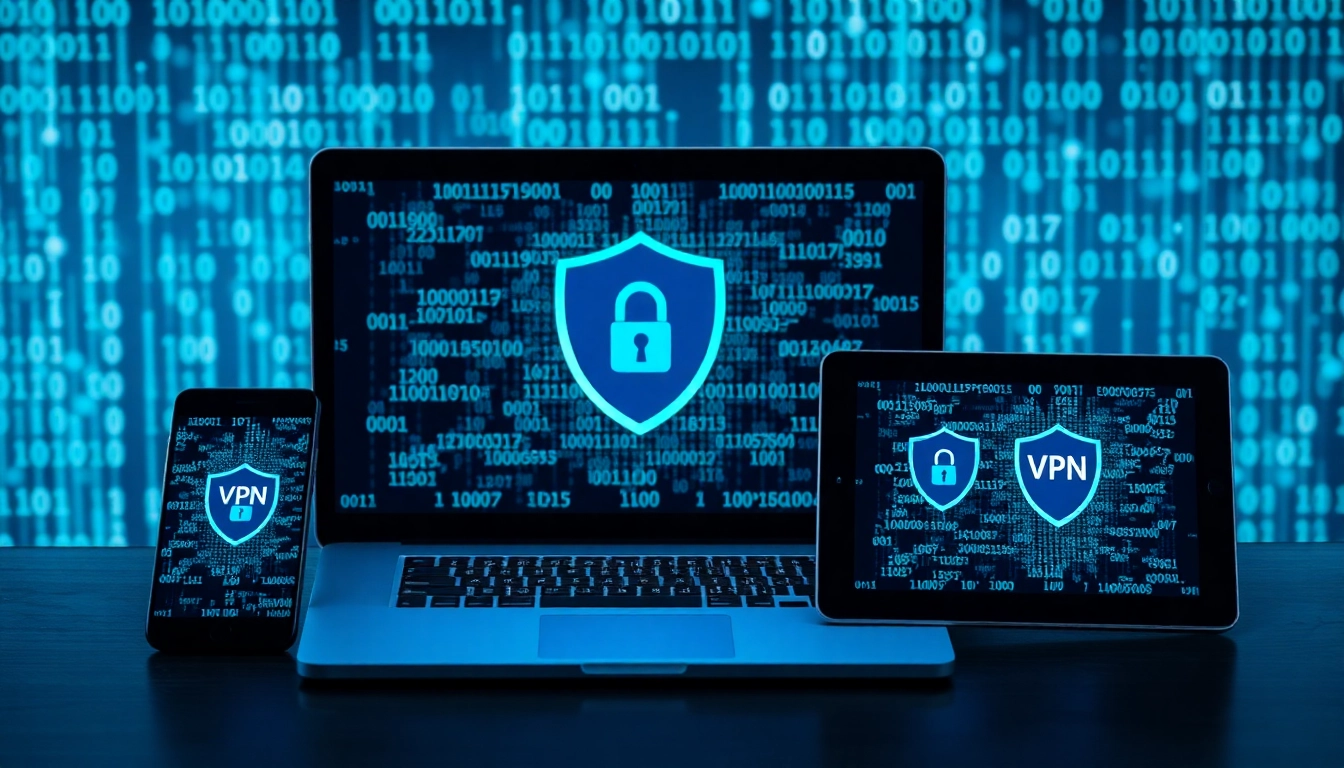
A Virtual Private Network (VPN) is a technology that creates a secure and encrypted connection over a less secure network, such as the internet. By using a vpn, users can mask their IP address, making their online actions virtually untraceable. This functionality provides a layer of privacy and anonymity, essential in today's digital landscape where data breaches are common.
How VPN Works to Protect Your Data
VPNs operate by routing your internet connection through a secure server, typically located in a different geographic location. When you connect to a VPN, your internet traffic is encrypted and sent through this server to its destination. This process effectively hides your actual IP address, making it appear as if you are accessing the internet from the location of the VPN server. The use of encryption protocols ensures that data transferred between your device and the VPN server remains confidential, protecting against eavesdropping.
Common Uses for VPN Technology
VPN technology is utilized for various purposes. First, many use VPNs to access geo-restricted content, such as streaming services that might otherwise block users based on their location. Others employ VPNs to secure their connection while using public Wi-Fi, which is notoriously insecure. Additionally, remote workers often use VPNs to access corporate networks and confidential data securely. Lastly, journalists and whistleblowers might rely on VPNs to communicate without fear of surveillance.
The Importance of Privacy in Digital Connectivity
Risks of Unsecured Internet Connections
Unsecured internet connections pose significant risks. When using public Wi-Fi networks, personal data, such as passwords and credit card information, can be intercepted by malicious actors. Tools like packet sniffers can easily capture unencrypted data. Moreover, ISPs (Internet Service Providers) can track browsing habits and even sell this information to advertisers. The lack of privacy on unsecured connections has made the necessity for a VPN more critical than ever.
How VPN Protects Your Online Identity
A VPN protects your online identity by masking your IP address and encrypting your internet traffic. By doing so, it makes it nearly impossible for potential attackers to trace your online activities back to you. Furthermore, VPNs can also prevent websites from tracking your browsing history through cookies and other methods. This added layer of protection is essential for individuals who value their privacy or are involved in sensitive activities.
Case Studies of Privacy Breaches
Instances of privacy breaches underline the importance of VPNs. For example, a significant data breach in a popular social media platform revealed that millions of user records were exposed. Such incidents emphasize how crucial it is to utilize a VPN to safeguard one’s personal information. Similarly, reports of government surveillance and data collection highlight the need for users to protect their data against unauthorized access.
Choosing the Right VPN for Your Needs
Key Features to Look for in a VPN
When selecting a VPN, consider several key features to ensure it meets your needs. First, look for robust encryption protocols like AES-256, which offer solid security. Additionally, it’s essential to choose a provider with a no-log policy, meaning they do not store your browsing history. Other features worth considering include the availability of multiple server locations, fast connection speeds, and customer support availability.
Comparing VPN Pricing and Plans
VPN pricing can vary significantly, ranging from free options to more comprehensive premium services. Free VPNs may come with limitations such as slower speeds, data caps, or fewer security features. Conversely, paid VPNs generally provide better service with reliable customer support, faster speeds, and enhanced security. It's advisable to compare different plans based on features rather than just the price to find a solution that meets your specific needs.
Understanding Performance Metrics of VPN
When assessing VPN performance, consider metrics such as speed, stability, and latency. Speed tests can help users understand how a VPN may affect their internet speed. An efficient VPN should provide minimal latency, allowing for seamless streaming and browsing experiences. Furthermore, ensure that the VPN has an uptime guarantee; a reliable service should maintain a high availability percentage to enhance user experience.
Implementing VPN on Various Devices
Setting Up VPN on Your Computer
To set up a VPN on your computer, start by choosing a suitable VPN provider and downloading the application. Follow the installation instructions provided. Once installed, open the application, log in, and select a server location. After connecting, you can check your IP address through online tools to ensure you are leveraging the VPN effectively. Most VPNs offer user-friendly interfaces that guide you through the setup process.
Using VPN on Mobile Devices
Setting up a VPN on mobile devices is similarly straightforward. Download the respective VPN application from your device's app store, manage the installation, and log in to your account. Like desktop installations, select a server, and connect directly through the app. By doing so, you help ensure that your mobile activities remain encrypted and private, which is increasingly important given the rise of mobile internet use.
Troubleshooting Common VPN Issues
Common issues with VPNs include connection failures and slow speeds. If you experience connection problems, ensure you are using the correct login credentials and that the VPN server is operational. Adjusting the encryption settings may also help enhance speed. If buffering occurs while streaming, try connecting to a different server, ideally one closer to your actual location, for better performance.
Future Trends in VPN Technology
The Role of VPN in Remote Work
As remote work becomes more commonplace, the role of VPNs is set to expand. Companies are increasingly using VPNs to provide secure access to corporate networks for remote employees. This trend emphasizes the need for robust security measures, making VPNs a prerequisite for businesses to safeguard sensitive data and maintain operational integrity in a digital environment.
Emerging Features and Innovations in VPN
Future VPN technologies may include advances like split tunneling, which allows users to access the internet through a secure VPN while permitting other traffic to flow normally. Moreover, enhanced AI capabilities could enable smarter routing decisions based on network conditions, user preferences, and application requirements. Such innovations aim to improve user experience while bolstering security.
Potential Legal Issues Surrounding VPN Use
As VPN usage grows, potential legal concerns also emerge. In some regions, using a VPN can be restricted or outright banned. Companies must navigate these legal landscapes carefully, understanding that even secure communications can be vulnerable to governmental oversight. Users should remain informed about the laws affecting VPN use in their respective countries to avoid unintended legal ramifications.
Frequently Asked Questions
What exactly does a VPN do?
A VPN encrypts your internet connection and masks your IP address, protecting your online activities from prying eyes and ensuring greater privacy.
Can I use a VPN for free?
Free VPNs are available, but they often come with limitations like slower speeds and data caps. Paid alternatives typically offer enhanced features and privacy.
What are the downsides of using a VPN?
Possible downsides include a false sense of security and potential speed reductions. It's also essential to choose a reputable provider to avoid data logging.
How much does a VPN cost per month?
VPN pricing can vary, ranging from $2 to $30 per month depending on features. Long-term plans often provide significant savings compared to monthly subscriptions.
Is using a VPN illegal?
Using a VPN is legal in many countries. However, some nations impose restrictions or bans, so it’s crucial to understand local laws regarding VPN use.