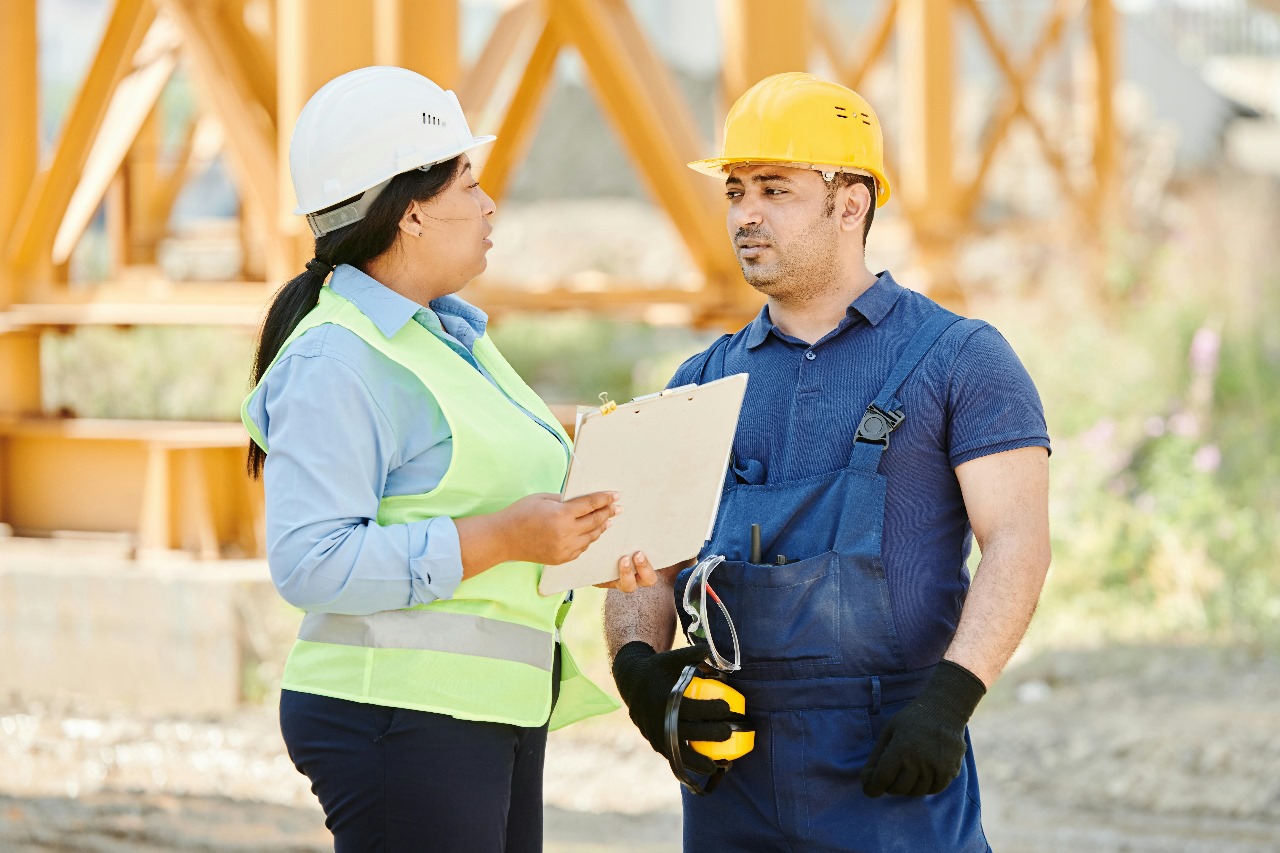
Introduction to Real-Time Safety Alerts
In today’s industrial environments, workplace safety is more critical than ever. Accidents, hazardous exposures, and operational risks can disrupt productivity and endanger employees. Real-time safety alerts are designed to provide immediate notifications about potential hazards, allowing safety teams to respond instantly. Backed by CIH (Certified Industrial Hygienist) and CSP (Certified Safety Professional) expertise, these alerts combine professional insight with advanced technology to ensure workplace safety is proactive rather than reactive.
How Real-Time Safety Alerts Improve Workplace Safety
Implementing real-time safety alerts transforms how organizations handle risk management. Instead of relying on periodic inspections or delayed reporting, these alerts provide instant information about safety incidents, chemical exposures, equipment malfunctions, or unsafe behaviors. This immediacy allows management to mitigate risks before they escalate, reducing workplace injuries, regulatory fines, and operational downtime.
CIH and CSP Expertise in Safety Alerts
Integrating CIH and CSP expertise into real-time safety alerts ensures that notifications are not only rapid but also accurate and actionable. CIHs bring specialized knowledge in industrial hygiene, toxicology, and environmental hazards, while CSPs contribute deep experience in safety program management, compliance, and behavior-based safety practices. Together, their expertise enhances the relevance and precision of alerts, ensuring teams receive critical guidance alongside warnings.
Key Features of Real-Time Safety Alerts
Modern real-time safety alerts offer several essential features designed to maximize workplace protection:
Immediate Hazard Notification
Alerts are sent instantly when hazards are detected, such as chemical spills, fire risks, or equipment malfunctions. Quick notifications prevent small incidents from becoming major accidents.
Risk Prioritization
Advanced algorithms, combined with CIH and CSP insights, categorize hazards by severity and urgency. Teams can focus on the most critical risks first, improving response efficiency.
Multi-Channel Alerts
Safety alerts can be delivered through multiple channels, including mobile apps, emails, and onsite alarms. This ensures that all relevant personnel are informed regardless of location.
Compliance Tracking
Real-time safety alerts also support regulatory compliance by documenting notifications and responses. Organizations can demonstrate proactive safety measures to OSHA and other regulatory agencies.
Benefits of Real-Time Safety Alerts in Industrial Settings
The advantages of implementing real-time safety alerts go beyond immediate hazard awareness. They create a culture of safety, improve operational efficiency, and reduce overall costs associated with workplace accidents. Key benefits include:
Enhanced Worker Protection
Instant alerts help employees avoid dangerous situations, reducing injuries and exposure to harmful substances.
Faster Decision Making
Managers receive actionable data in real time, allowing them to make informed decisions quickly.
Reduced Operational Downtime
By addressing hazards immediately, real-time safety alerts minimize disruptions and maintain productivity.
Data-Driven Safety Improvements
Historical alert data can be analyzed to identify trends, improve safety programs, and prevent recurring incidents.
Real-Time Safety Alerts and AI Integration
Many organizations are now combining real-time safety alerts with AI-powered safety management systems. AI enhances predictive capabilities, identifying potential hazards before they occur. When paired with CIH and CSP expertise, AI ensures alerts are both accurate and strategically actionable, giving teams a comprehensive safety advantage.
Training and Adoption of Real-Time Safety Alerts
For real-time safety alerts to be effective, organizations must train employees and safety managers in their proper use. Training includes recognizing alert types, understanding response protocols, and integrating alert data into daily safety workflows. With expert guidance, the adoption of these systems is smoother, and safety outcomes improve significantly.
Case Studies of Effective Real-Time Safety Alerts
Several industrial facilities have reported dramatic improvements in workplace safety after implementing real-time safety alerts. Companies have reduced incident response times, minimized chemical exposure risks, and achieved higher compliance scores. These success stories highlight how combining technology with CIH and CSP expertise can transform workplace safety culture.
Future of Real-Time Safety Alerts
The future of workplace safety lies in intelligent, responsive systems. Real-time safety alerts will increasingly integrate wearable technology, IoT devices, and predictive analytics. With CIH and CSP guidance embedded in these systems, organizations can achieve an unprecedented level of proactive safety management.
Conclusion
Real-time safety alerts backed by CIH and CSP expertise are revolutionizing workplace safety. By providing immediate, accurate, and actionable information, these systems empower teams to respond to hazards instantly, protect employees, and maintain operational efficiency. From instant notifications to AI-enhanced predictive alerts, the combination of professional expertise and advanced technology ensures a safer, more compliant, and more productive industrial environment. Organizations that embrace real-time safety alerts not only reduce accidents and injuries but also foster a culture of safety that benefits everyone.