Understanding High-Quality Roofing Solutions
When it comes to maintaining the integrity and aesthetics of a property, the importance of a quality roofing system cannot be overstated. High-quality roofing solutions play a crucial role not only in safeguarding your home but also in enhancing its value. Understanding what constitutes high-quality roofing, exploring available materials, and recognizing their benefits are essential steps toward making informed decisions about your roof. Investing in high-quality roofing solutions can lead to long-term savings and peace of mind, knowing your property is well protected.
What Defines High-Quality Roofing?
High-quality roofing is characterized by its durability, efficiency, and performance. A roof that withstands various weather conditions, offers excellent insulation, and maintains structural integrity over the years defines quality. Factors that contribute to high-quality roofing include:
- Material Quality: The longevity and reliability of roofing materials impact their performance. Premium materials resist wear, environmental stress, and extreme weather.
- Installation Expertise: Proper installation is pivotal. Even the best materials can fail if installed incorrectly, emphasizing the need for skilled professionals.
- Warranty and Support: Reputable roofing solutions often come with warranties that verify their quality and reliability. A strong warranty reflects confidence in the product.
Types of Roofing Materials Available
Choosing the right roofing material is fundamental for performance and aesthetics. Here are some widely used roofing materials:
- Asphalt Shingles: Popular and versatile, asphalt shingles are cost-effective and come in various styles and colors.
- Metal Roofing: Known for its longevity, metal roofing is resistant to wind, fire, and moisture, making it a smart investment for many homeowners.
- Slate: A premium option, slate tiles are known for their beauty and lifespan. However, they require proper installation and reinforcing of the structure due to their weight.
- Wood Shingles: Offering a natural aesthetic, wood shingles provide excellent insulation but require maintenance to prevent decay and insect damage.
- Clay and Concrete Tiles: These materials are durable and energy-efficient, ideal for warmer climates, and provide a distinct visual appeal.
Benefits of Investing in High-Quality Roofing
Investing in high-quality roofing solutions provides numerous advantages:
- Enhanced Durability: Quality roofing materials are designed to withstand harsh conditions, minimizing the need for frequent repairs.
- Improved Energy Efficiency: High-quality roofs offer better insulation, helping regulate indoor temperatures and reducing energy costs.
- Increased Property Value: A well-installed, quality roof enhances curb appeal and can increase the market value of your home.
- Better Warranty Protection: Leading manufacturers offer robust warranties on high-quality materials, allowing homeowners to feel secure in their investment.
- Lower Maintenance Costs: Durable roofing systems require less frequent maintenance and repairs, saving homeowners money in the long run.
Assessing Your Building’s Roofing Needs
Before proceeding with any roofing project, it's crucial to evaluate your specific needs. This involves assessing the current roof condition, considering climate factors, and understanding your budget.
Evaluating Your Current Roof Condition
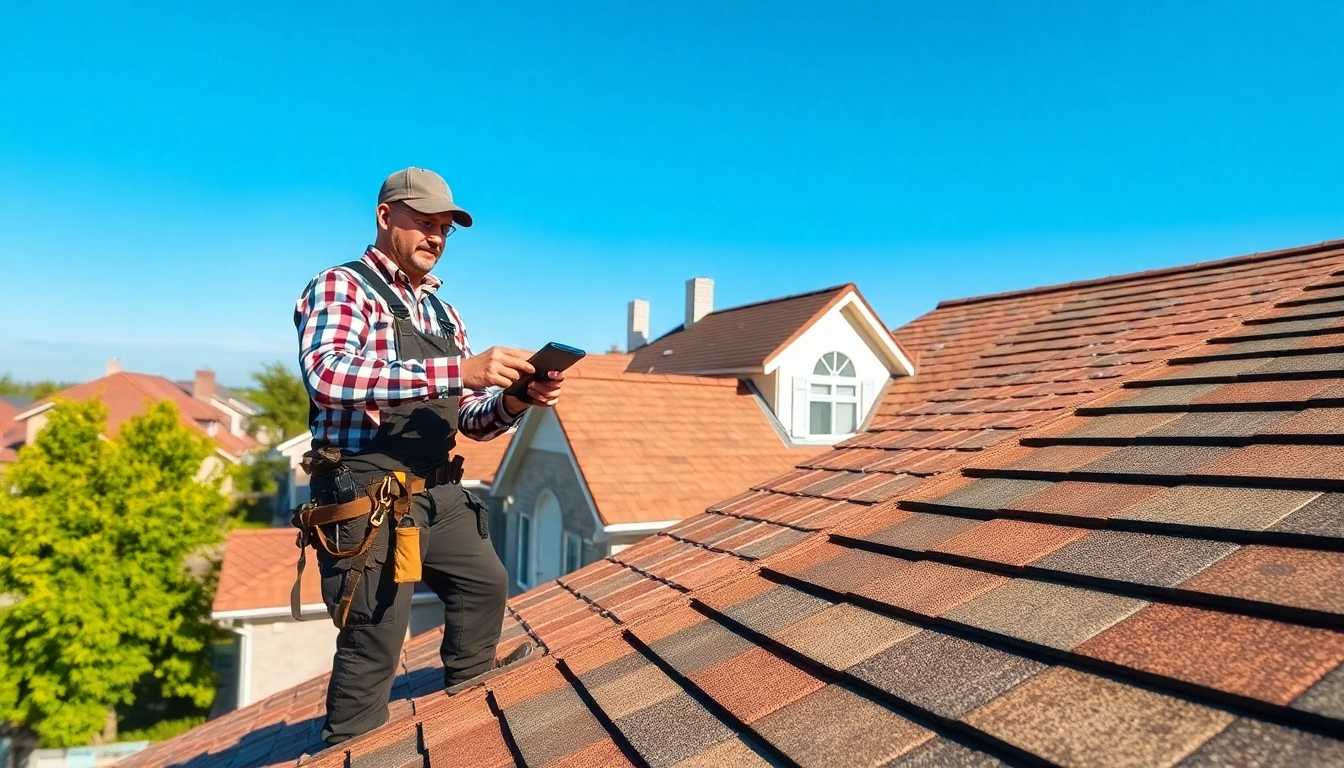
A thorough assessment of your roof's condition can provide insights into whether it needs repair or complete replacement. Signs to look for include:
- Visible leaks or water damage inside the home.
- Missing or damaged shingles.
- Granules from shingles accumulating in gutters.
- Daylight visible through roof boards.
- Extensive wear due to age.
Conducting regular inspections can identify problems early, preventing more extensive repairs later.
Climate Considerations for Roofing Choices
The climate in which you live significantly influences your roofing choices. For instance:
- Hot Climates: Consider reflective materials that minimize heat absorption.
- Cold Climates: Choose materials that withstand heavy snow and ice, like metal or slate.
- Wind-Prone Areas: Look for roofing systems rated for high wind resistance.
Understanding local weather patterns will help in selecting a roofing solution that endures effectively.
Budgeting for High-Quality Roofing
Budget constraints are an essential factor in any roofing project. To create a realistic budget, consider the following:
- Material Costs: Quality materials often require a higher initial investment but yield long-term benefits.
- Installation Fees: Expert labor can add to costs, but subpar installation can lead to costly repairs.
- Maintenance Costs: Factor in periodic maintenance, which varies by material type.
- Potential Energy Savings: An energy-efficient roof can offset utility bills, adding value to your investment.
Choosing the Right Roofing Professional
Selecting a qualified roofing contractor is crucial for ensuring the success of your roofing project. The contractor's expertise greatly impacts the installation process and the overall outcome of your roofing solution.
Qualities of a Reliable Roofer
A reliable roofer should possess several key qualities:
- Licensing and Insurance: Ensure your roofer is licensed to operate in your area and carries insurance to protect both parties during the project.
- Experience: Look for contractors with extensive experience in various roofing systems and styles.
- Positive Customer Reviews: Search for testimonials and reviews that reflect the contractor's reliability and workmanship.
- Written Estimates: A good contractor will provide detailed written estimates outlining material and labor costs.
Questions to Ask When Hiring
When interviewing potential roofing contractors, consider asking:
- What types of roofing systems do you specialize in?
- Can you provide references from previous clients?
- What is your typical timeline for a project of this size?
- How do you handle unexpected costs during installation?
- What warranties do you offer for labor and materials?
Understanding Roofing Contracts and Warranties
A well-structured contract protects both the homeowner and the contractor. Key elements to include in your roofing contract are:
- Detailed scope of work, materials, and specifications.
- Payment terms and schedule.
- Project timeline and completion dates.
- Warranties for materials and workmanship.
Understanding warranties is equally important. Generally, materials come with manufacturer warranties, while labor often comes from the contractor. Ensure clarity on terms and conditions to avoid future disputes.
Installation and Maintenance of High-Quality Roofing
Quality installation and ongoing maintenance are integral components of achieving a long-lasting roofing solution. Understanding the installation process, avoiding common installation pitfalls, and maintaining the roof can greatly influence its longevity.
The Roofing Installation Process Explained
The roofing installation process typically follows these steps:
- Initial Inspection: A thorough inspection to determine the scope of work needed.
- Preparation: Removing old roofing materials and preparing the surface.
- Installation of Underlayment: Applying a barrier to protect against moisture.
- Installing the Chosen Roofing Material: Properly placing and securing tiles, shingles, or metal sheets.
- Finishing Touches: Installing flashing, gutters, and inspecting for any gaps or vulnerabilities.
Common Mistakes to Avoid During Installation
Avoiding mistakes during installation is critical for maximizing the lifespan and performance of your roof. Common pitfalls include:
- Inadequate surface preparation, which can lead to leaks and poor adhesion.
- Improper layering of materials, risking moisture penetration.
- Rushing the installation, which may compromise overall quality.
Routine Maintenance Tips for Longevity
Once installed, regular maintenance can help prevent costly repairs. Here are some essential maintenance tips:
- Regular Inspections: Conduct inspections at least twice a year and after severe weather events.
- Clean Gutters: Remove leaves and debris to ensure proper drainage.
- Address Repairs Promptly: Tackle minor issues before they escalate.
- Maintain Ventilation: Ensure your roofing system is well-ventilated to prevent heat and moisture buildup.
Evaluating the Performance of Your Roofing Solutions
Once installed, monitoring your roof's performance is crucial for safeguarding your investment. Recognizing signs of wear, conducting inspections, and knowing when to consider upgrades or replacements is vital.
Signs of Wear and Tear to Monitor
Common signs of wear include:
- Discoloration or dark stains on the roof surface.
- Bubbling or blistering of shingles or tiles.
- Excessive granule loss from asphalt shingles.
- Cracks or damage to flashing.
Early detection can prevent more serious issues down the line.
How to Conduct Periodic Inspections
Conducting periodic inspections can help maintain the roof's condition. Steps include:
- Inspect for visible damage from ground level.
- Use binoculars for a closer look at hard-to-reach areas.
- Check interiors for signs of leaks or mold.
- If possible, hire a professional to inspect areas that are difficult to access.
When to Consider Upgrades or Replacements
While regular maintenance extends the life of a roof, there comes a time when replacement or upgrade is necessary. Consider replacement when:
- The roof is beyond its expected lifespan.
- Multiple repairs are needed frequently.
- There’s significant structural damage.
- Energy efficiency is compromised, leading to rising utility costs.
Consulting a roofing professional can help you make the best decision for your specific situation.