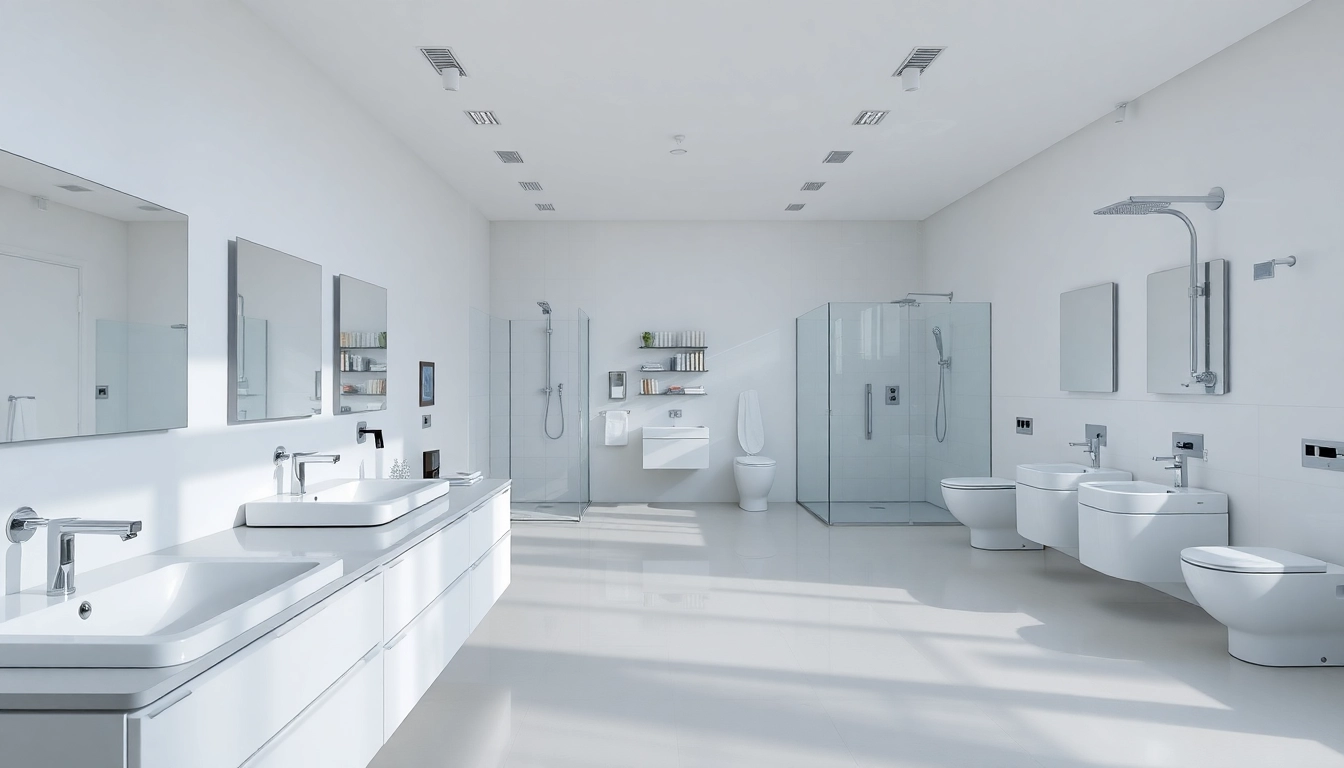
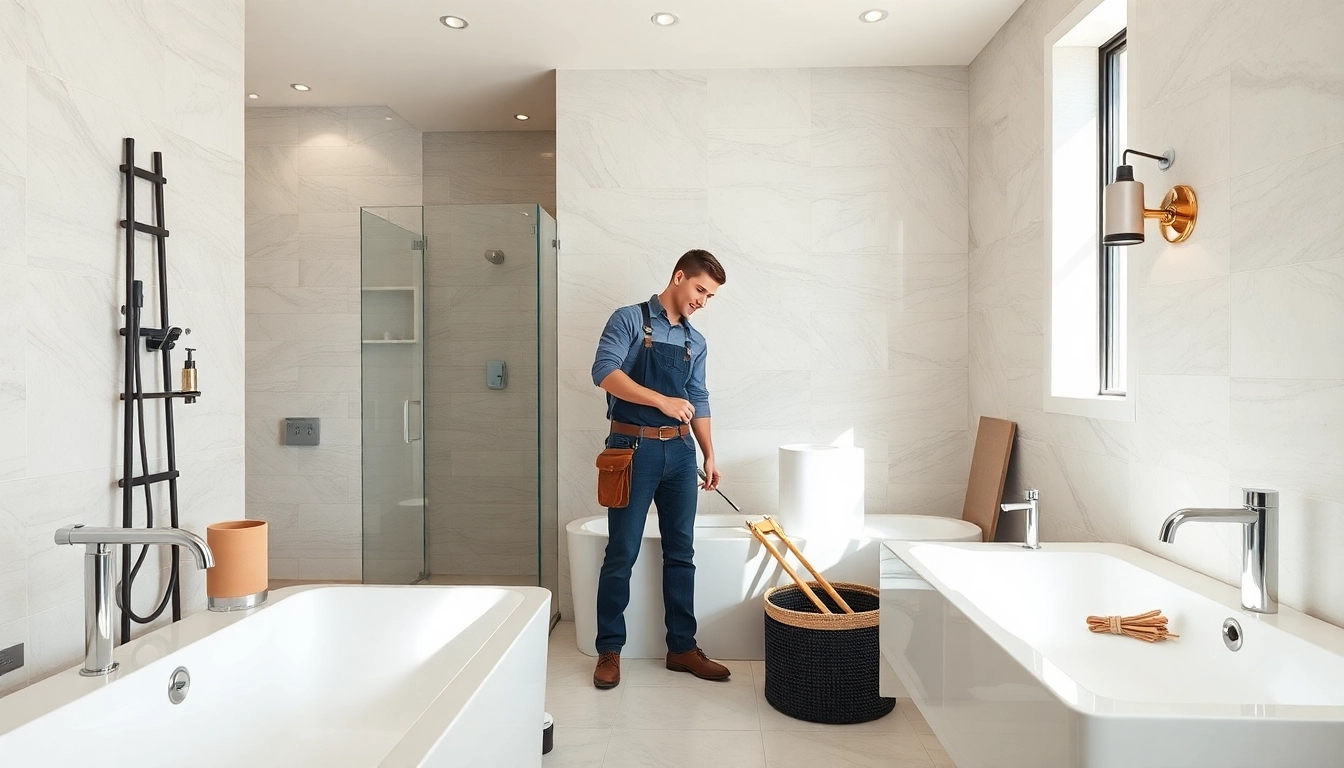
The Importance of Hiring Professional Bathroom Installers
Transforming your bathroom can significantly enhance both the aesthetic appeal and the functionality of your home. However, opting for a DIY approach can lead to unforeseen challenges and expenses. This is where bathroom installers come into play. By hiring professionals, you can ensure a seamless installation process backed by expertise and experience.
Benefits of Expert Installation
Hiring expert bathroom installers offers numerous advantages, starting with their specialized knowledge and skills. Professionals are trained to handle complex installations, ensuring every fixture is correctly positioned for optimal use and efficiency. Beyond technical skills, professional installers are also familiar with current industry standards and regulations, helping you avoid potential legal issues.
Moreover, utilizing experienced installers can save you time and stress. Instead of spending weekends wrestling with confusing plumbing and electrical installations, you can trust that your project is in capable hands. This peace of mind is invaluable, particularly during a renovation project that inevitably comes with its own set of pressures.
Another significant benefit is the quality assurance that comes with professional installation. Experienced installers are dedicated to providing high-quality service, which often translates into more durable and long-lasting results. With warranties often offered by installation professionals, you can rest assured that any unexpected issues will be addressed without additional costs.
Common Mistakes to Avoid
When homeowners decide to tackle bathroom installations on their own, they often encounter pitfalls that seasoned installers would gracefully navigate. One common mistake is underestimating the time required for the project. Unlike professionals who have experience estimating timelines, DIYers may not account for unexpected delays or complexities that arise.
Another error involves miscalculating the costs associated with materials and labor. Often, individuals overlook underlying issues such as plumbing repairs that may be revealed once walls are opened. This oversight can lead to budget overruns, very quickly. One must also consider floor space and design layout—these can affect both aesthetics and functionality when not properly planned out.
Lastly, safety is paramount when dealing with electrical and plumbing work. Homeowners who are inexperienced in these areas may neglect safety measures, leading to potential hazards. Professional installers are trained to follow all necessary safety protocols, ensuring that your installation is not only beautiful but also safe.
When to Seek Professional Help
Knowing when to hire bathroom installers is crucial to achieving a successful renovation. If you’re considering major changes such as relocating plumbing fixtures or installing complex lighting systems, it’s wise to consult professionals. These tasks often require specialized knowledge, and attempting them without expertise may lead to costly mistakes.
Additionally, if your bathroom is on the smaller side, layout optimization becomes critical. A professional can help you maximize limited space through strategic design choices that enhance functionality without compromising aesthetics. If you feel overwhelmed at any stage of your project, seeking professional help can alleviate stress and lead to better outcomes.
Choosing the Right Bathroom Installers for Your Project
When selecting bathroom installers, it’s essential to make informed decisions that align with your project needs, budget, and preferences. The right installers can make a significant difference in the overall quality and success of your renovation.
What to Look For in an Installer
Start by seeking out licensed professionals who have the necessary qualifications and certifications in your locality. Look for installers with a proven track record in bathroom renovations, as this expertise will often translate into better craftsmanship and an understanding of common challenges.
Moreover, evaluate their portfolio of past work. This will give you insights into their style and quality. A good installer should have a diverse portfolio that showcases various design styles and ensures they can tackle projects aligning with your vision.
Communication is another critical factor. The right bathroom installers should listen to your needs, address your concerns, and be transparent about their processes. A professional who engages in open communication is more likely to be adaptable and responsive throughout the project.
Questions to Ask Potential Installers
Before you finalize your choice, prepare a list of relevant questions to gauge the suitability of potential installers. Ask about their experience with similar projects, timelines for completion, and the materials they prefer to work with.
Inquire about their approach to handling unexpected issues that may arise during installation. Knowing how they problem-solve can give you confidence in their abilities. Also, ask about the warranties and guarantees they offer on their work, as these can be indicative of their commitment to quality.
Reading Reviews and Testimonials
In today’s digital age, online reviews can provide valuable insights into the performance of bathroom installers. Look for feedback on platforms such as Google, Yelp, or specialized home improvement sites. Pay attention to patterns in the reviews—do many customers mention consistent punctuality, quality of work, or exceptional customer service?
Don’t forget to check their social media pages and websites for testimonials, as these can often highlight specific instances of customer satisfaction and successful projects. If possible, contact previous clients for firsthand accounts of their experiences; this step can provide clarity about what to expect.
Cost Factors for Hiring Bathroom Installers
The cost of hiring bathroom installers can vary significantly depending on several factors. Understanding these elements can help you budget effectively and avoid financial surprises down the road.
Understanding Pricing Models
Most bathroom installation professionals operate under different pricing models. These can include a flat rate for specific tasks, hourly rates, or per-project estimates. Familiarize yourself with these various approaches when comparing quotes from potential installers.
Flat-rate pricing provides clarity, as it gives you a total cost upfront, while hourly rates may provide flexibility but can lead to overruns if not closely monitored. Always request a detailed breakdown of costs, including materials, labor, and any additional fees to facilitate transparent comparisons.
How to Budget for Your Bathroom Project
Begin your budgeting process by determining your total bathroom renovation budget. Allocate funds for various aspects like design, materials, and labor. It’s wise to set aside at least 10% of your budget as a contingency for unanticipated expenses.
When discussing costs with bathroom installers, be upfront about your budget constraints. A good installer will work with you to find solutions that meet your stylistic and functional goals while respecting budget limitations.
Ways to Save Without Sacrificing Quality
While professional installation may seem like a significant expense, there are strategic ways to save money without compromising quality. Consider timing your renovation during off-peak seasons, when many contractors might offer lower rates.
Choosing mid-range fixtures and materials rather than premium options can also result in substantial savings. Additionally, involve bathroom installers early in the design process, as their feedback can often help you avoid costly errors and omissions in planning.
Project Timeline: What to Expect with Bathroom Installers
Understanding the typical timeline for bathroom installations can streamline your planning and set realistic expectations for your renovation project.
Typical Duration for Various Bathroom Projects
The length of time required for bathroom projects can vary depending on their complexity. A simple remodel, such as updating fixtures and tiles, might take between one to two weeks, while more extensive renovations involving layout changes or plumbing upgrades can extend to four weeks or more.
Discuss the expected duration with your bathroom installers upfront to gauge how their timeline fits your needs. A detailed schedule that outlines each phase can help ensure everyone is on the same page as the project progresses.
Steps of the Installation Process
The installation process generally follows several structured steps: first, a thorough assessment and planning phase are conducted. Next, demolition activities may occur, followed by plumbing work, electrical installations, and installation of new fixtures. Finally, finishing touches like tiling and painting are implemented.
Throughout these steps, communicate regularly with your installers to monitor progress and address any questions or concerns that may arise. A well-organized project will minimize disruptions and promote a smooth workflow.
Managing Delays and Setbacks
Delays are common in renovation projects, but managing them effectively can help reduce frustration. Be proactive by discussing potential risks with your bathroom installers during initial meetings. This can lead to contingency plans that they might have in place for typical setbacks, such as material delays or unexpected repairs.
Maintaining open lines of communication with your installer throughout the process is crucial. Regular check-ins will enable you to adapt quickly to any changes and keep your project on track.
Maintaining Your Bathroom Once Installed
Proper maintenance is essential to preserve the beauty and functionality of your newly renovated bathroom. Implementing care routines will lengthen the life of your fixtures and prevent costly repairs down the line.
Best Practices for Care and Cleaning
Start by establishing a regular cleaning schedule to keep surfaces free of grime and prevent build-ups that can lead to damage. Choose mild cleaning products that are appropriate for the materials in your bathroom, such as non-abrasive cleaners for tiles and softer formulas for fixtures.
Additionally, consider implementing ventilation strategies to reduce moisture—this can help prevent mold and mildew in areas prone to these issues. Simple actions like using an exhaust fan can significantly improve air quality and stability within your bathroom.
Tips for Preventative Maintenance
Preventative maintenance extends the life of your bathroom components. Regularly check seals around tubs and showers for damage, as this can prevent water damage. Inspect caulking in wet areas and replace it as needed to prevent leaks.
Pay attention to plumbing as well; look for drips or leaks and address them promptly. If you notice any changes, such as water stains on the ceiling or wall, it may signal underlying plumbing issues—address these promptly by consulting a professional.
Signs You Need to Hire Installers Again
Even with excellent maintenance, some signs indicate you may need to consult bathroom installers again. For instance, if you start to notice persistent plumbing issues, such as frequent clogs or leaks that don’t resolve, it could signal a deeper issue that requires professional assessment.
Additionally, if you observe significant cracks in tiles or fixtures or experience standing water after use, it’s vital to hire a professional. Addressing these problems early can prevent further damage and costly repairs in the long run.
Frequently Asked Questions
1. How long does a bathroom installation typically take?
Bathroom installations can take anywhere from one to four weeks, depending on project complexity. Simple updates might be quicker, while extensive renovations may require more time.
2. What types of materials should I use for my bathroom?
Choose high-quality, moisture-resistant materials like ceramic or porcelain tiles, vinyl, and water-resistant paint to enhance durability in your bathroom.
3. Can I save money on my bathroom renovation?
Yes, you can save by choosing mid-range fixtures, shopping during off-peak seasons, and maintaining open communication about budget constraints with installers.
4. How often should I clean my bathroom?
Ideally, clean your bathroom at least once a week to prevent mold and mildew build-up. Regular maintenance can extend the lifespan of your fixtures.
5. What is the best way to prevent plumbing issues?
Regularly check for leaks, maintain proper sealing, and avoid flushing inappropriate items. Addressing minor issues promptly can help prevent severe plumbing problems.