Understanding Cape Cod Home Architecture
Historical Context of Cape Cod Homes
The cape cod home is an iconic style that has stood the test of time, embodying the essence of New England’s architecture. Originating in the early 17th century, these homes were primarily designed to withstand the harsh coastal conditions of Cape Cod, Massachusetts. Their history is steeped in practicality, as they were built using local materials such as timber and clapboard. The simplicity of their design reflects the Puritan values of modesty and functionality. Over the centuries, the architecture has evolved but retains its classic charm, making it a popular choice for homeowners and architects alike.
Design Characteristics of Cape Cod Style
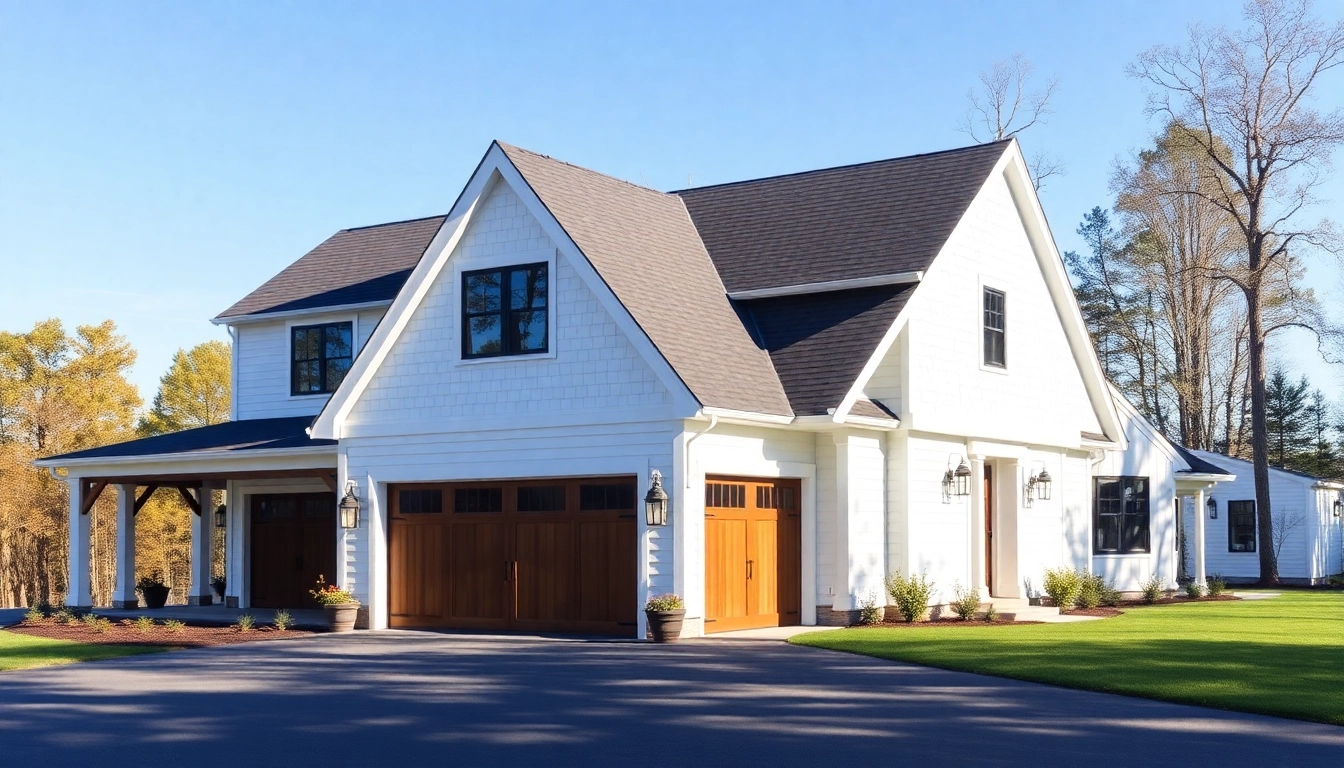
Cape Cod homes are characterized by their steeply pitched roofs, symmetrical facades, and dormer windows, which not only add aesthetic appeal but also enhance the interior space by allowing more light. Typically, these homes feature a central entrance flanked by evenly spaced windows, embodying a sense of balance. The exterior is usually adorned with wooden siding, painted in soft, muted colors that complement the coastal landscape. Interior design often emphasizes an open floor plan, wood beams, and a fireplace as the focal point, aligning with the home’s historical roots of warmth and comfort.
Modern Adaptations in Cape Cod Homes
As lifestyles have changed, so too has the design of Cape Cod homes. Modern adaptations now include larger layouts, open-concept living spaces, and the incorporation of sustainable building materials. Many homeowners opt for energy-efficient features such as solar panels, high-performance insulation, and modern appliances that align with contemporary environmental standards. Additionally, the integration of smart home technologies provides convenience while maintaining the traditional aesthetic of the cape cod home.
Planning Your Cape Cod Home Expansion
Assessing Your Needs for an Attached Garage
When considering an expansion, accurately assessing your needs is critical, especially regarding parking space and storage. An attached garage can significantly enhance the functionality of your home. Start by evaluating your current situation: Do you have enough vehicles? Are you utilizing your garage area efficiently? Moreover, incorporate future needs into your plan, such as space for recreational equipment or a workshop area that aligns with your family’s lifestyle and interests.
Choosing Suitable Materials and Styles
The choice of materials plays a pivotal role in ensuring that your expansion complements existing architecture. For a cape cod home, wood siding, stone, and brick are traditional materials that maintain the historical integrity of the home. Consider sustainable and low-maintenance options to minimize long-term upkeep. Explore various styles ranging from classic to contemporary, ensuring they are in harmony with the coastal environment and surrounding landscape.
Working with Local Regulations
Before commencing any construction, familiarizing yourself with local zoning laws and building regulations is essential. Many coastal towns have specific guidelines regarding height, materials, and footprint to preserve the area’s character. Engage with local authorities or hire a knowledgeable architect who understands these regulations to help you navigate the permitting process efficiently, avoiding potential legal hurdles down the road.
Design Ideas for a Cape Cod Home Expansion
Incorporating Energy-Efficient Features
Energy efficiency is becoming increasingly important for homeowners looking to save on utility costs and lessen their environmental impact. When expanding your cape cod home, consider integrating energy-efficient windows and doors, which will significantly reduce heat loss during winter and heat gain during summer. Additionally, install energy-efficient heating, ventilation, and air conditioning (HVAC) systems and consider using renewable resources like geothermal heating to ensure sustainability.
Blending Indoor and Outdoor Spaces
Creating a seamless transition between indoor and outdoor living areas can enhance your home’s functionality. Design features such as sliding glass doors, large windows, and covered patios or decks can help achieve this flow. Consider landscaping ideas that incorporate native plants and outdoor living spaces, such as fire pits or outdoor kitchens, providing an inviting atmosphere for family gatherings and entertaining guests.
Maximizing Natural Light in Your Design
Natural light is one of the most desirable elements in home design. When planning your expansion, consider strategically placing windows to maximize sunlight. Skylights are another excellent way to enhance illumination and create visual interest. Choose window designs that align with your home’s architecture, ensuring that your expansion feels cohesive while capturing the essence of the bright, airy interiors typical of a cape cod home.
Budgeting for Your Cape Cod Home Project
Estimating Costs for Home Expansion
Before starting your expansion project, create a detailed budget that considers all aspects of construction, from materials and labor to design services and landscaping. Seek out estimates from multiple contractors and consider revising your design plans if necessary. It’s also wise to account for fluctuating material costs, especially during high demand. Knowledge of the average costs associated with similar projects in your area can provide valuable benchmarks for your budget.
Finding Financial Support and Resources
Consider various financing options available for homeowners planning expansions. Many banks and credit unions offer home improvement loans, while government programs may provide grants or assistance for energy-efficient upgrades. Consult with a financial advisor to evaluate the best options for your situation, ensuring that your financial plan aligns with your long-term homeownership goals.
Contingency Planning for Unexpected Expenses
When budgeting, it is crucial to include a contingency fund of approximately 10 to 20% of the total project cost to cover unforeseen expenses, such as structural repairs or changes in design. Keep in mind that unexpected factors can arise during construction, including weather delays or supply shortages. By planning for these contingencies, you will avoid feeling stressed and ensure smoother project completion.
Frequently Asked Questions about Cape Cod Homes
What defines a Cape Cod style home?
A Cape Cod style home is typically characterized by its simple, one- or one-and-a-half-story structure, symmetrical design, steep rooflines, dormers, and wood siding. The design emphasizes functionality and efficiency, reflecting its historical origins.
How can I expand my Cape Cod home?
Expanding your Cape Cod home can be achieved through various means, including adding an attached garage, extending living spaces, or converting existing areas. Consider consulting with an architect to explore the best design options that maintain your home’s charm.
What are common features of Cape Cod homes?
Common features of Cape Cod homes include steep pitched roofs, centrally located entrances, dormer windows, wooden siding, and symmetrical facades. Interiors often showcase an open floor plan, wood accents, and fireplaces.
Are Cape Cod homes energy efficient?
Yes, many Cape Cod homes can be energy efficient, especially when modern upgrades like high-performance insulation, energy-efficient windows, and HVAC systems are incorporated into their design and renovation processes.
What permits do I need for a home expansion?
The types of permits required for a home expansion may vary by location but typically include building permits and possibly zoning permits. Always check with your local municipality for specific regulations and required documentation before starting a project.