Understanding Human Rights: Foundations and Definitions
Human rights are fundamental rights inherent to all individuals, regardless of nationality, sex, ethnic origin, religion, language, or any other status. They encompass the basic freedoms and protections guaranteed by law to safeguard individuals from abuse and neglect. Understanding the roots and definitions of Human Rights provides essential insight into their pivotal role in our society. This comprehensive overview will explore the evolution of human rights, their key principles, and the essential functions of international bodies in protecting these rights.
The Evolution of Human Rights
The concept of human rights has evolved significantly over millennia. Tracing back to ancient civilizations, elements of human dignity were emphasized in texts such as the Magna Carta, which limited the power of the monarchy and laid the groundwork for individual freedoms. The Enlightenment intensified this movement, with philosophers like John Locke promoting the idea that certain rights, such as life, liberty, and property, are inherent to all humans.
In the 20th century, following the atrocities of World War II, the Universal Declaration of Human Rights was adopted by the United Nations General Assembly in 1948, marking a historic milestone in the global recognition of human rights. This document articulated a comprehensive set of rights and freedoms applicable to all people, thereby catalyzing international movements for justice and equality.
Key Principles of Human Rights
Human rights are built upon several core principles which guide their interpretation and enforcement:
- Universality: Human rights are universal and apply to all individuals, without exception.
- Indivisibility: All rights are equally important and interrelated; the violation of one can affect the realization of others.
- Equality and Non-discrimination: Everyone is entitled to their rights without discrimination of any kind.
- Accountability: States and other duty-bearers must be held accountable for the protection and fulfillment of human rights.
- Participation: Individuals have the right to participate in and influence decisions that affect their lives.
The Role of International Bodies
International bodies, such as the United Nations and various non-governmental organizations, play a crucial role in promoting and protecting human rights. They provide platforms for dialogue, establish legally binding international treaties, and monitor compliance by states. Mechanisms like the Human Rights Council can help address cases of human rights violations globally, offering recommendations for improvement and holding violators accountable. Moreover, these entities conduct research, generate awareness, and mobilize public opinion to advocate for policy changes.
The Importance of Human Rights in Society
The safeguarding of human rights is vital for fostering an equitable and just society. When rights are respected, individuals can fully participate in civic life, contribute to their communities, and enjoy a standard of living that supports their dignity. Understanding this significance is essential for addressing social challenges and ensuring sustainable development.
Human Rights and Social Justice
Human rights and social justice are intrinsically linked; the realization of one often leads to the enhancement of the other. Social justice demands equitable distribution of societal benefits and resources, aiming to reduce disparities caused by systemic discrimination. Ensuring that marginalized voices are heard and represented within human rights discourse helps to empower those who are traditionally silenced, promoting inclusivity and fostering a sense of belonging.
The Impact on Marginalized Communities
Marginalized communities often face systematic barriers that inhibit their full enjoyment of human rights. These groups include racial and ethnic minorities, women, LGBTQ+ individuals, refugees, and persons with disabilities, among others. The impacts of human rights violations can be devastating, leading to cycles of poverty, disenfranchisement, and social unrest. As advocates for human rights seek to address these injustices, it becomes imperative to examine the unique challenges faced by various communities while promoting social equity and justice.
Links to Economic Development
Human rights are not only a moral necessity but also crucial to economic development. When individuals are empowered with rights, they can engage more effectively in economic activities, improving their living standards and contributing to national prosperity. Guaranteed rights, such as the right to work, education, and social security, provide a foundation for sustainable economic growth and long-term social stability. Moreover, countries that uphold human rights often attract more foreign investment, as businesses seek stable environments with fair labor practices and strong governance.
Global Human Rights Challenges
Despite the advancements made in human rights protection and advocacy, numerous challenges persist on the global stage. Understanding these issues is vital for crafting effective responses that facilitate lasting change.
Violations and Their Implications
Human rights violations occur in all regions of the world, often manifesting as government repression, discrimination, torture, or lack of access to basic needs such as education and healthcare. The implications of these abuses extend beyond individual suffering—often exacerbating social tensions, fueling conflict, and hindering economic development. Nations with persistent human rights violations may find themselves isolated from the international community, facing sanctions, and contributing to a cycle of instability.
Case Studies of Rights Abuses
Examining specific case studies of human rights abuses can offer greater insight into the nature and effects of these violations. Examples include:
- The Rohingya Crisis: The systematic persecution of the Rohingya people in Myanmar highlights severe human rights abuses, while resulting in one of the world’s most significant humanitarian crises.
- Police Brutality in Various Nations: Numerous countries have experienced protests against police violence, raising awareness regarding systemic racism and the violation of civilians’ rights.
- Women’s Rights in Afghanistan: The repression of women’s rights in Afghanistan illustrates the struggle for gender equality, particularly in regions where patriarchal norms are enforced by law and custom.
Responses by Governments and NGOs
Governments and non-governmental organizations play crucial roles in responding to and addressing human rights violations. Advocacy campaigns, public pressure, and legal actions aim to hold perpetrators accountable and promote systemic change. International pressure can catalyze governments to adopt reforms, while NGOs provide essential support to affected communities, raising awareness and mobilizing resources for legal assistance and rehabilitation efforts.
Advocacy and Mobilization for Human Rights
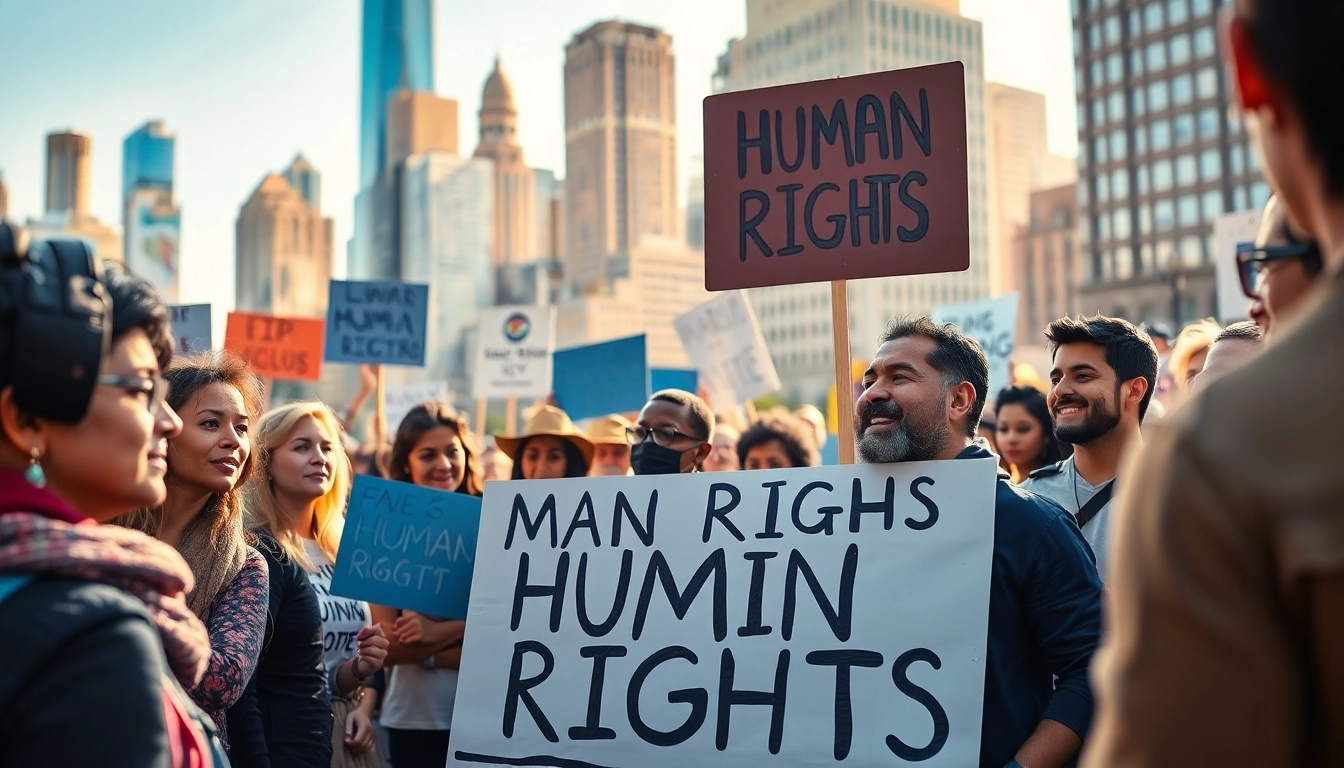
Effective advocacy and mobilization are essential for championing human rights locally and globally. By empowering communities and facilitating dialogue, advocates can promote awareness and social change.
Grassroots Movements and Their Successes
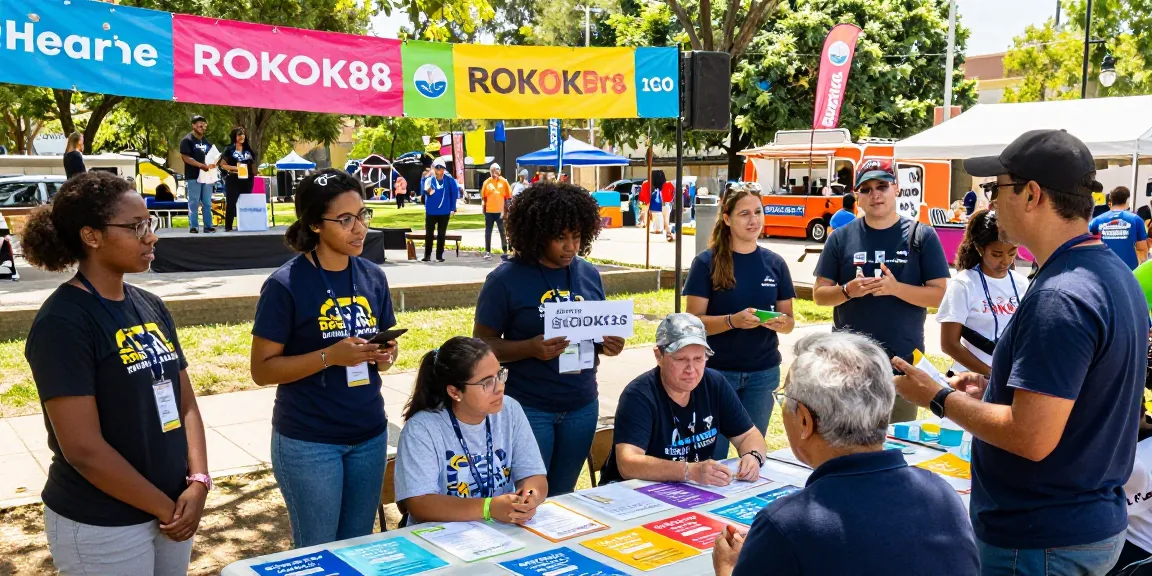
Grassroots movements have historically driven significant progress in human rights. By uniting at the community level, individuals can leverage their collective power to challenge injustices and demand accountability. Successful grassroots campaigns, such as the Civil Rights Movement in the United States and the anti-apartheid movement in South Africa, illustrate the profound impact ordinary individuals can have when they organize, mobilize public opinion, and advocate for change.
Leveraging Digital Platforms for Awareness
In the digital age, social media and online platforms play a crucial role in raising awareness about human rights issues. Campaigns such as #MeToo and #BlackLivesMatter have harnessed the power of digital connectivity to mobilize support and spark global conversations about rights violations. These platforms provide an accessible means for individuals to share their experiences and demand action, amplifying marginalized voices on a larger scale.
Collaborating with Policymakers
Collaboration between advocates and policymakers is essential for creating systemic changes that safeguard human rights. By engaging in dialogue and providing evidence-based recommendations, human rights organizations can influence legislation and policy decisions. This collaboration is often facilitated through public consultations, advisory boards, and coalitions that unite various stakeholders in pursuit of justice and equality.
Future Directions for Human Rights
As the landscape of human rights continues to evolve, new challenges and opportunities arise. Awareness of emerging issues is vital for effective advocacy and sustainable change.
Emerging Issues and Trends
The ongoing global challenges present by climate change, technology, and political upheaval introduce complex issues for human rights. Environmental degradation leads to human rights implications, as displaced populations struggle to survive amidst resource scarcity. Additionally, advancements in technology raise concerns about privacy, surveillance, and digital rights, necessitating a reevaluation of existing frameworks to protect individuals in the digital realm.
The Role of Education and Training
Education plays a central role in advancing human rights. Programs that promote awareness and understanding of rights among individuals, particularly youth, help cultivate a culture of respect, tolerance, and active citizenship. Training for law enforcement, government officials, and community leaders is also essential in fostering a conducive environment for human rights protection.
Creating Sustainable Change Through Advocacy
Sustainable change requires persistent advocacy and collaborative efforts. By establishing partnerships with various stakeholders—community organizations, government agencies, and international bodies—advocates can build networks that strengthen the human rights framework. Effective advocacy entails not only addressing immediate violations but also promoting ongoing education, awareness, and accountability systems that foster human rights protection over the long term.
FAQs about Human Rights
What are human rights?
Human rights are the basic freedoms and protections that belong to all individuals globally without distinction, including civil, political, economic, social, and cultural rights.
Why are human rights important?
Human rights are critical for promoting dignity, equality, and justice within societies, ensuring that all individuals have the opportunity to live fulfilling and empowered lives.
How can individuals advocate for human rights?
Individuals can advocate for human rights by raising awareness, participating in local movements, supporting organizations, and educating themselves and others about rights issues.
What role do NGOs play in human rights?
NGOs play a vital role in protecting human rights by advocating for justice, providing legal assistance, mobilizing communities, and holding governments accountable for violations.
What are current global human rights challenges?
Current challenges include systemic racism, gender inequality, refugee crises, police brutality, and the impact of climate change on vulnerable populations.