Understanding Flexible Vinyl Plank Flooring
What is Flexible Vinyl Plank Flooring?
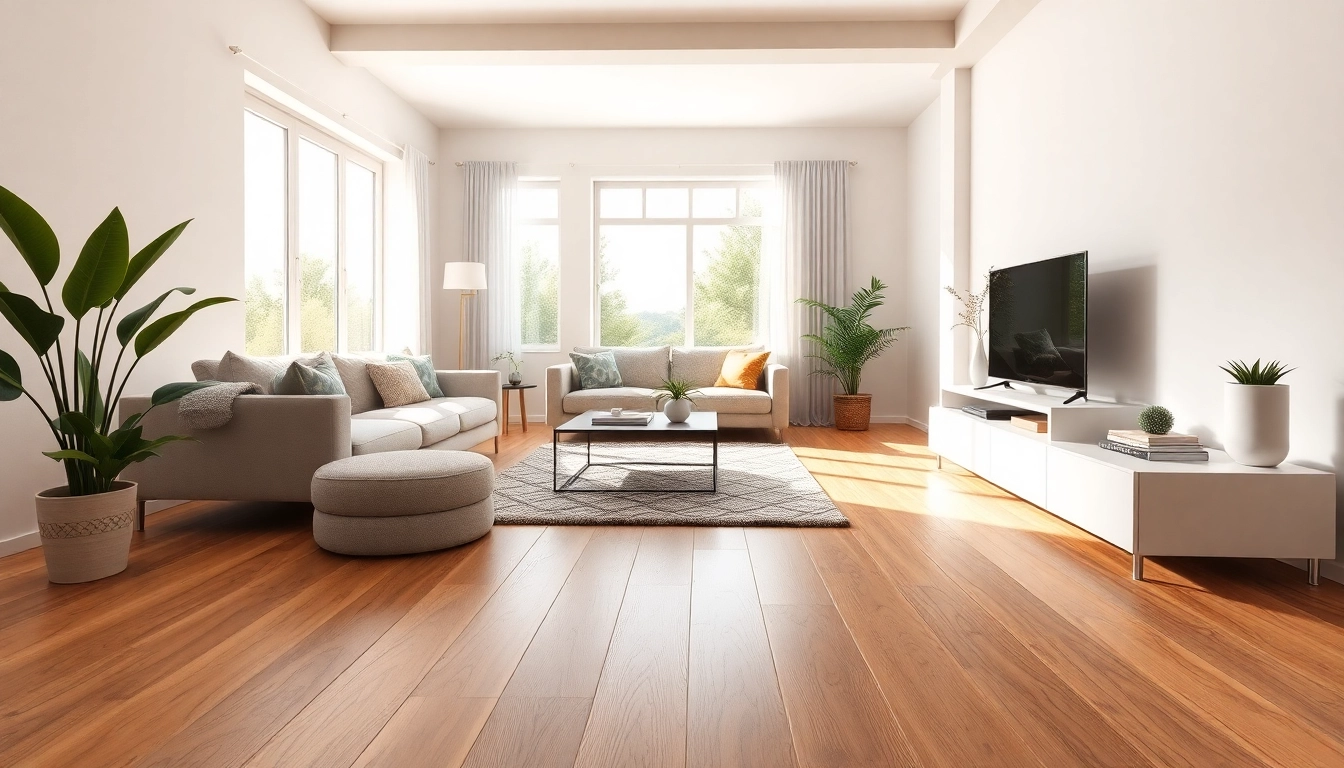
Flexible vinyl plank flooring is a modern flooring solution that combines durability, aesthetics, and practicality. Composed of multiple layers, including a robust wear layer, vinyl core, and backing, these planks resemble hardwood or stone but offer superior resilience against moisture, scratches, and wear. What sets them apart is their flexibility, allowing for easy installation and comfort underfoot. A popular option for both residential and commercial spaces, flexible vinyl plank flooring can mimic the natural look of wood or stone while providing added benefits like water resistance and simple maintenance. To explore this versatile option further, check out flexible vinyl plank flooring.
Benefits of Using Flexible Vinyl Plank Flooring
Flexible vinyl plank flooring offers numerous advantages that make it a preferred choice among homeowners and designers:
- Durability: With resistance to scratches, scuffs, and stains, this flooring is ideal for high-traffic areas.
- Water Resistance: Perfect for kitchens, bathrooms, and basements, flexible vinyl repels moisture, reducing mold and mildew risks.
- Comfort: With a softer surface compared to traditional flooring materials, it is easy on the feet and joints.
- Easy Maintenance: Regular sweeping and occasional mopping keep this flooring looking new without requiring special cleaning products.
- Aesthetic Appeal: Available in a wide range of designs, colors, and textures to suit any decor style.
- Cost-Effective: Often more affordable than hardwood or tile, with lower installation costs.
Different Types of Flexible Vinyl Plank Flooring
There are several types of flexible vinyl plank flooring available in the market, catering to various needs and styles:
- Glue-Down Vinyl Planks: These planks require adhesive for installation, offering a permanent solution often used in commercial settings.
- Loose Lay Vinyl Planks: Designed for easy installation, these planks simply lay on the floor without glue, making them ideal for DIYers.
- Interlocking Vinyl Planks: These planks feature a click-lock mechanism that allows for quick installation without adhesives, suitable for home renovations.
- Waterproof Vinyl Planks: Perfect for areas prone to moisture, these planks provide additional protection against water damage.
Installation Process of Flexible Vinyl Plank Flooring
Tools Needed for Installation
Installing flexible vinyl plank flooring is a straightforward process that requires some essential tools:
- Utility Knife: For cutting planks to size.
- Measuring Tape: To ensure accurate measurements of your space.
- Square: To create precise and straight cuts.
- Floor Roller: To secure the planks in place if using glue-down options.
- Spacers: To maintain consistent gaps along walls.
- Safety Glasses: To protect your eyes while working.
Step-by-Step Installation Guide
Follow this comprehensive installation guide to set up your flexible vinyl plank flooring:
- Prepare the Subfloor: Ensure that the subfloor is clean, dry, and level. Remove any old flooring material and fix uneven areas.
- Acclimate the Planks: Allow your vinyl planks to acclimate in the room where they will be installed for at least 48 hours.
- Measure and Cut: Measure the area and cut the planks as needed, ensuring to leave space for expansion.
- Lay the Planks: Start laying the first plank, ensuring a tight fit. Continue with the subsequent planks, following the manufacturer’s specific installation method (e.g., glue, click-lock).
- Roll the Flooring: If using glue-down planks, use a floor roller to press them securely into place.
- Install Baseboards: Once all planks are in place, reinstall or add baseboards to conceal the gaps and complete the look.
Tips for a Professional Finish
Achieving a professional-looking installation is achievable with these tips:
- Use a good quality adhesive if you’re going for a glue-down installation.
- Stagger the seams of planks for a natural look and added stability.
- Utilize spacers to keep an even gap along walls to allow for expansion.
- Double-check measurements before cutting to reduce waste and errors.
Maintenance and Care for Flexible Vinyl Plank Flooring
Daily Cleaning Routine
Maintaining your flexible vinyl plank flooring is straightforward. Follow this daily routine:
- Sweep or vacuum regularly to remove dirt and debris.
- Use a damp mop with a gentle cleaner specifically designed for vinyl floors.
- Avoid using harsh chemicals which can damage the surface.
Deep Cleaning Techniques
For a more thorough cleaning, consider the following methods:
- Prepare a mix of warm water and a few drops of vinegar for a natural cleaning solution.
- Use a soft-bristle brush to scrub stubborn stains gently.
- Follow up with a clean, damp mop to remove any leftover cleaning solution.
Common Issues and How to Fix Them
Address potential problems with your flexible vinyl plank flooring using these tips:
- Scratches: Use a vinyl repair kit or a color-matched marker to cover small scratches.
- Bubbles: If you notice a bubble, use a utility knife to pierce it, and then press out the air.
- Stains: Blot stains immediately with a clean cloth, using gentle cleaning products as needed.
Design Ideas Incorporating Flexible Vinyl Plank Flooring
Stylish Layout Options
Flexible vinyl plank flooring offers versatility in design. Here are stylish layout ideas:
- Create a herringbone pattern for a unique and elegant look.
- Use contrasting colors to define spaces, such as lighter planks in a living area and darker in dining areas.
- Mix plank widths to create visual interest.
Color Coordination with Flexible Vinyl Plank Flooring
Effective color coordination can elevate your space:
- Select planks that either complement or contrast the existing color palette in your home.
- Use neutral tones for a timeless look while integrating pops of color through furniture and decor.
- Consider grey-toned planks that pair well with modern and industrial decor styles.
Mixing Materials for an Elegant Space
Mixing flexible vinyl plank flooring with other materials can enhance the overall aesthetic:
- Pair vinyl planks with ceramic tiles in the kitchen for an attractive transition.
- Incorporate area rugs over vinyl for added comfort and visual appeal.
- Combine wooden furniture with vinyl planks for a cohesive, warm look.
Frequently Asked Questions About Flexible Vinyl Plank Flooring
How long does flexible vinyl plank flooring typically last?
Flexible vinyl plank flooring can last between 10 to 25 years depending on the quality of the product and maintenance practices.
Can I install flexible vinyl plank flooring over existing floors?
Yes, flexible vinyl plank flooring can typically be installed over existing floors, provided they are clean and level.
What is the cost of flexible vinyl plank flooring?
The cost of flexible vinyl plank flooring varies based on quality and design, generally ranging from $2 to $7 per square foot.
Is flexible vinyl plank flooring suitable for bathrooms?
Absolutely! Flexible vinyl plank flooring is water-resistant and is highly suitable for bathrooms and other moisture-prone areas.
How do I remove scratches from flexible vinyl plank flooring?
Scratches can often be repaired using a vinyl repair kit or color-matched marker to effectively disguise the scratches.