
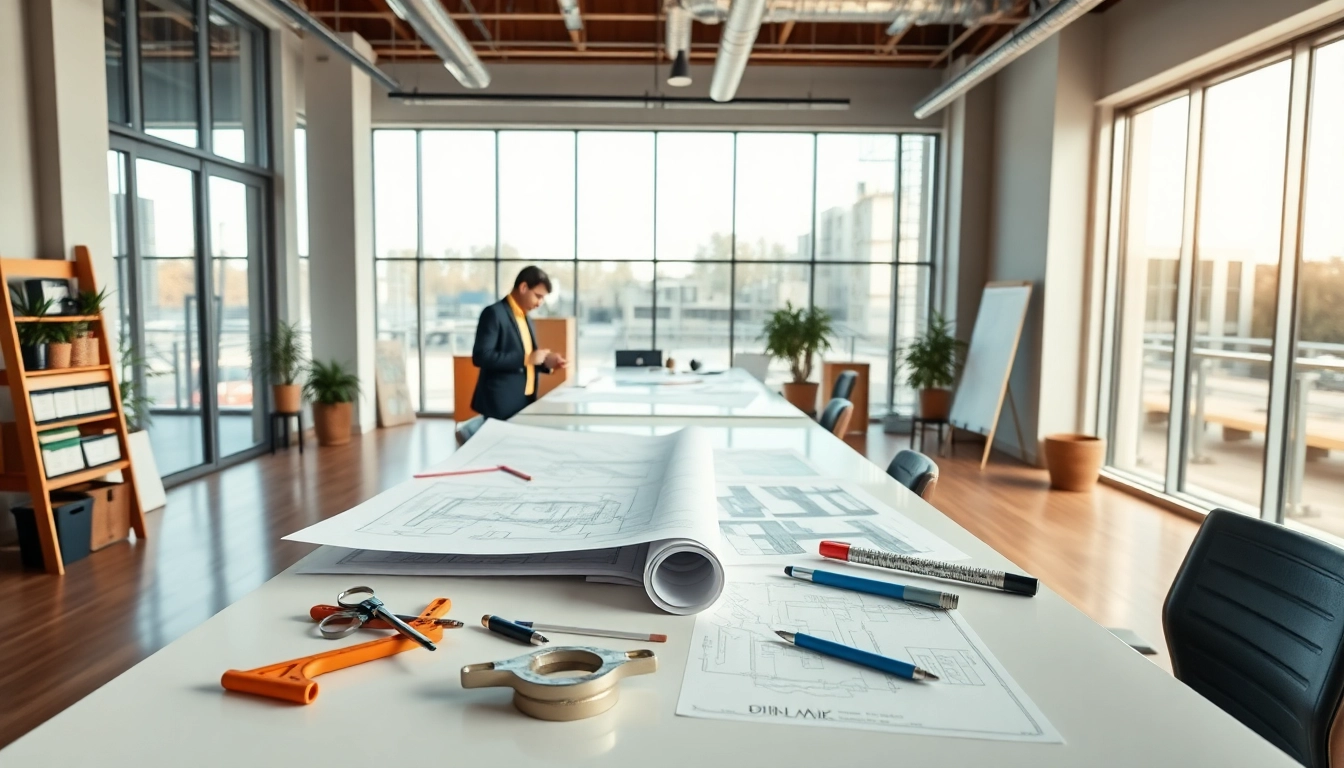
Understanding Construction Design Services
Definition and Importance
Construction design services encompass the comprehensive planning, designing, and building processes that transform conceptual ideas into tangible structures. These services are invaluable as they not only shape the aesthetic appeal and functionality of a structure but also ensure that it meets local regulations, safety standards, and client specifications. Employing construction design services allows clients to navigate the intricate landscape of construction with increased confidence and clarity.
Key Components of Construction Design Services
Construction design services typically include several core components that guarantee a holistic approach to building projects. Key elements include:
- Architectural Design: This involves creating blueprints and 3D models that outline the physical attributes of the project, focusing on aesthetic and functional aspects.
- Engineering Services: Professionals ensure the structural integrity and safety of the designs by addressing foundational elements, materials, and loads.
- Project Management: Coordination among various stakeholders, adherence to timelines, and budget management fall under project management, ensuring smooth execution.
- Regulatory Compliance: Designers must navigate local zoning laws, building codes, and safety regulations, facilitating successful permit acquisition.
- Sustainability Practices: Incorporating sustainable design principles to enhance energy efficiency and eco-friendliness is gaining momentum.
Benefits for Homeowners and Developers
The advantages of engaging in construction design services extend to both homeowners and developers alike:
- Increased Property Value: Professionally designed spaces are often more appealing and functional, leading to a higher potential resale value.
- Cost Savings: Investing in design services can minimize costly mistakes during construction that may arise from poor planning or oversight.
- Customization: Clients receive tailored solutions that address their specific needs and lifestyle preferences.
- Efficient Workflow: Streamlined communication among the design team can lead to faster project completion times and enhanced productivity.
- Enhanced Safety: A focus on meeting building codes and safety regulations ensures that the design considers potential hazards from the outset.
Steps to Initiate Construction Design Services
Consultation and Project Assessment
The first step in any successful construction design journey involves an initial consultation. This conversation allows clients to articulate their vision, budget, and timeframe. It is essential to conduct a project assessment to understand the site conditions, zoning regulations, and logistical requirements. During this phase, key questions to ask may include:
- What is the primary objective of the project?
- What are the essential features and amenities desired in the design?
- Are there any limitations we need to consider, like budget constraints or site regulations?
Defining Project Scope and Budget
Once the initial consultation is complete, the next step is to clearly define the project scope and budget. The project scope outlines the specific objectives, deliverables, and tasks involved in the effort.
This is also the stage where a detailed budget should be developed, incorporating costs associated with design services, materials, labor, permits, and contingencies. A thorough understanding of budgetary constraints can guide decisions about design choices and material selections.
Selecting the Right Professionals
Choosing the right team to execute the project is critical to the success of the construction. Selecting professionals can be done by evaluating:
- Experience and expertise in similar projects.
- Portfolio of past work, showcasing creativity and quality.
- Client testimonials and references that validate their capabilities.
- Communication style and the ability to align with the client’s vision.
Best Practices in Construction Design Services
Incorporating Sustainability
Modern construction practices increasingly prioritize sustainability. Incorporating eco-friendly materials, energy-efficient designs, and sustainable technologies can significantly reduce a building’s carbon footprint. Key aspects include:
- Utilization of Recycled Materials: Employing products that contribute to waste reduction and promote resource conservation.
- Passive Solar Design: Harnessing natural light and heat to decrease reliance on artificial heating and cooling systems.
- Energy-Efficient Systems: Implementing advanced HVAC systems and Energy Star appliances further enhances operational efficiencies.
Utilizing Technology in Design
The integration of technology into construction design services helps create more accurate and efficient project outcomes. Tools such as Building Information Modeling (BIM) allow designers to visualize the entire project in three dimensions, assessing potential issues and enhancing collaboration in real-time. Further technology applications include:
- 3D Printing: Enabling the rapid prototyping of building components and designs.
- Drones: Utilizing aerial imagery for land surveying and progress monitoring.
- Virtual Reality: Offering immersive simulations that allow clients to engage with their building designs before construction.
Continuous Communication with Stakeholders
Effective communication among all stakeholders is vital for successful project execution. Regular updates and feedback loops can prevent misunderstandings and facilitate resolution of any arising issues. Establishing regular meetings, digital communication platforms, and shared project timelines can enhance transparency and foster collaboration between clients, designers, and contractors.
Case Studies and Examples
Successful Residential Projects
Residential construction design services have transformed ordinary homes into extraordinary living spaces that reflect the owners’ personalities and lifestyles. A case worth noting is a complete remodel that incorporated open floor plans, maximizing natural light while integrating sustainable materials. This project not only improved the living conditions but also increased the property’s market value by 15%.
Commercial Projects and Their Impact
In commercial sectors, effective construction design services can drastically enhance both operational efficiencies and customer experiences. For instance, a retail space redesign that focused on customer flow and product visibility led to a 30% increase in sales within the first quarter of operation. Analyzing traffic patterns and customer behavior was integral to this success.
Innovative Design Solutions in Challenging Locations
Working in non-traditional or challenging settings can present unique design dilemmas. One noteworthy example involved constructing a cafe in a busy urban environment where space was limited. The design successfully integrated vertical gardens and eco-friendly materials, resulting in a popular local hotspot that boosted community engagement and economic activity.
FAQs on Construction Design Services
What are construction design services?
Construction design services involve the planning, designing, and execution phases of building projects, ensuring feasibility and compliance with local codes.
How to choose the right construction design service provider?
Evaluate provider qualifications, client reviews, past project experiences, and assess how well they communicate and align with your vision.
Are construction design services necessary for small projects?
While smaller projects may seem manageable, employing construction design services typically enhances the project’s efficiency and overall quality.
What is the typical timeline for construction design services?
Tie timelines can vary widely, generally broken down into phases of assessment, design, approvals, and construction, often taking weeks to months.
What costs are associated with construction design services?
Costs fluctuate based on project complexity and scope. Typically, they can range from a few thousand to tens of thousands of dollars depending on various factors.