
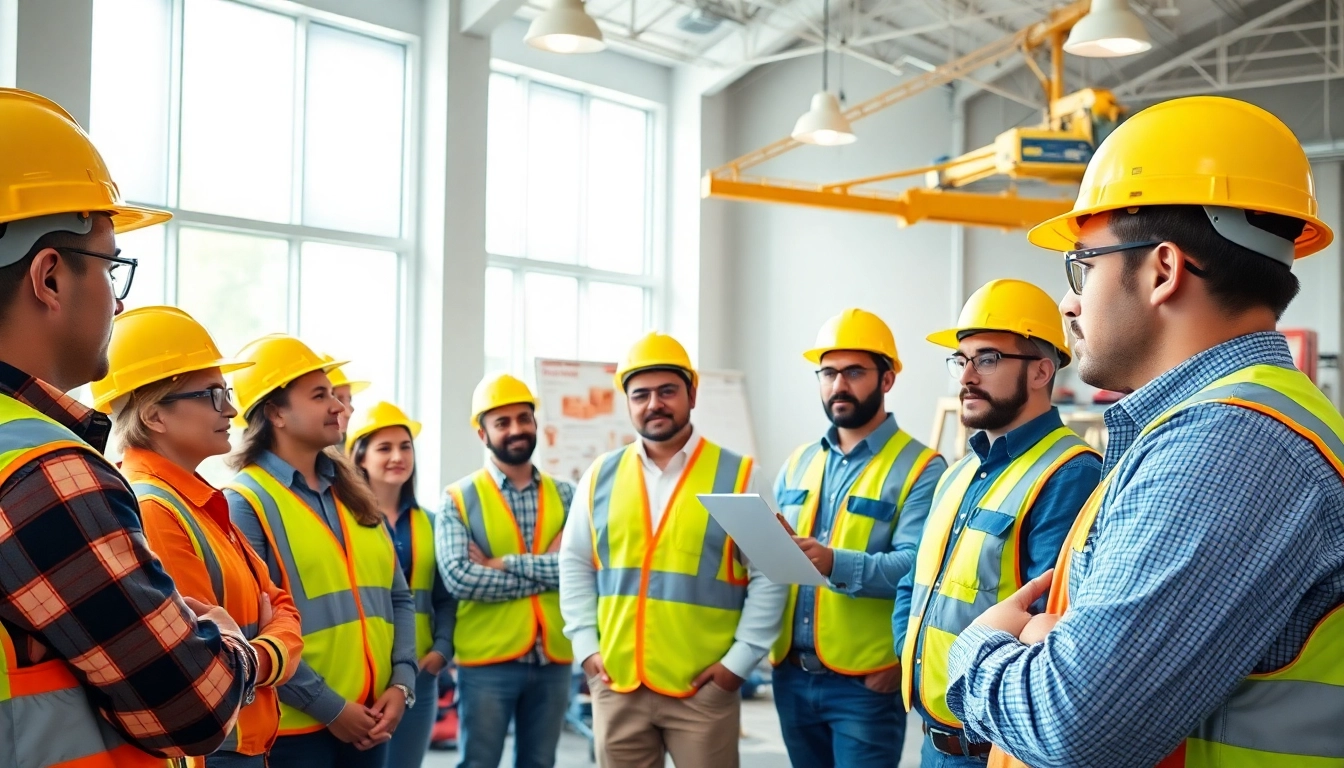
Understanding Construction Safety Programs
What are Construction Safety Programs?
Construction safety programs are systematic frameworks designed to minimize risks and ensure safety protocols on construction sites. They encompass a range of protective measures, guidelines, training sessions, and monitoring practices aimed at preventing workplace accidents and injuries. These programs serve as the backbone of any construction operation, ensuring compliance with regulatory standards while fostering a culture of safety among workers. By implementing comprehensive construction safety programs, companies can significantly reduce the incidence of workplace hazards and incidents.
The Importance of Safety in Construction
The construction industry is one of the most hazardous sectors, with a higher rate of injuries and fatalities compared to other industries. The significance of safety in construction cannot be overstated; it is essential for protecting workers, reducing costs associated with accidents, and maintaining a positive company reputation. A robust safety program not only safeguards employees but also enhances productivity and reduces downtime caused by injuries. Compliance with safety regulations can prevent legal ramifications and promote a more efficient work environment, ultimately benefiting the business in numerous ways.
Key Components of Effective Programs
An effective construction safety program is composed of several critical components:
- Policy Development: Establishing clear safety policies that outline the commitment to a safe workplace is foundational.
- Risk Assessment: Regularly identifying and assessing potential hazards in the workplace is vital.
- Training and Education: Continuous training ensures that all workers are aware of safety protocols and are equipped to manage risks.
- Monitoring and Evaluation: Regularly reviewing safety practices and incident reports helps in refining the safety measures in place.
- Employee Involvement: Engaging workers in safety discussions fosters a culture where safety is prioritized by all.
Identifying Hazards in the Workplace
Common Construction Site Hazards
Construction sites present numerous hazards that can lead to accidents or health risks. Some of the most common include:
- Falls: A leading cause of injury, falls can occur from heights, ladders, or scaffolding.
- Heavy Machinery: Equipment such as cranes and forklifts can pose risks if not operated correctly.
- Electrocution: Working with electrical systems can lead to severe injuries if safety measures are not adhered to.
- Trenching and Excavation: Cave-ins in trenches can be fatal without proper safety precautions.
- Hazardous Materials: Exposure to harmful chemicals or asbestos can lead to long-term health issues.
Risk Assessment Techniques
Risk assessment is critical for pinpointing hazards and developing strategies to mitigate them. Techniques involve:
- Job Hazard Analysis (JHA): This process involves breaking down jobs into tasks and identifying hazards associated with each step.
- Safety Audits: Conducting regular audits of the site can help uncover safety compliance issues.
- Employee Feedback: Engaging workers in reporting perceived hazards can provide insights into overlooked risks.
- Checklists: Utilizing safety checklists for daily operations helps ensure adherence to protocols.
Implementing Preventive Measures
Preventive measures are essential for addressing identified risks. Effective strategies include:
- Providing Personal Protective Equipment (PPE): Ensuring all workers have access to and are trained in the use of PPE is crucial for safety.
- Establishing Safe Work Procedures: Documenting and implementing safe work practices can mitigate risk exposure.
- Regular Maintenance of Equipment: Ensuring that equipment is routinely inspected and maintained can prevent malfunctions.
- Emergency Action Plans: Developing and disseminating plans for emergencies prepares workers for potential crises.
Training and Education for Safety Compliance
Types of Training Required
Training forms the cornerstone of any effective safety program. Required training types may include:
- General Safety Orientation: Introducing new employees to the company’s safety culture and protocols.
- Specific Equipment Training: Training workers on the safe operation of machinery specific to their jobs.
- Hazard Communication: Educating workers about hazardous materials and safe handling practices.
- Emergency Response Training: Preparation for responding to incidents or emergencies effectively.
Best Practices for Conducting Safety Training
Several best practices can enhance the effectiveness of safety training:
- Engage Workers: Utilize interactive training methods, such as workshops and simulations, to actively engage workers.
- Regular Refresher Courses: Implement ongoing training to ensure that safety knowledge remains updated.
- Use of Real-life Scenarios: Incorporating case studies and scenarios can help illustrate the importance of safety measures.
- Assess Training Effectiveness: Feedback mechanisms and assessments should be employed to evaluate the impact of the training.
Engaging Workers in Safety Culture
Creating a culture of safety where every worker feels responsible is paramount. Strategies for engagement include:
- Open Communication: Encouraging workers to voice safety concerns without fear of repercussions fosters trust.
- Incentive Programs: Implementing rewards for safety compliance can motivate workers to uphold standards.
- Safety Committees: Forming safety committees that include workers from all levels can promote collaborative safety discussions.
- Regular Meetings: Holding frequent safety meetings allows for ongoing dialogue and updates on safety issues.
Monitoring and Evaluating Safety Programs
Performance Metrics for Safety Programs
To gauge the effectiveness of safety programs, various performance metrics should be employed:
- Incident Rate: Tracking the frequency of incidents helps evaluate the safety program’s success.
- Days Away From Work: Monitoring how many days employees are absent due to workplace injuries can reflect on safety practices.
- Employee Feedback: Regular surveys can gauge workers’ perceptions of safety culture.
- Compliance Audits: Evaluating adherence to safety regulations and guidelines informs areas for improvement.
Reviewing Incident Reports
Incident reports are crucial for continuous improvement. Reviewing these can provide many insights such as:
- Common Patterns: Identifying recurring accidents can highlight areas needing immediate attention.
- Root Cause Analysis: Delving into the underlying causes of incidents provides opportunities for prevention.
- Policy Reevaluation: Incident reports can inform necessary updates to safety policies and practices.
Continuous Improvement Practices
Continuous improvement is vital for maintaining an effective safety program. Practices include:
- Regular Training Updates: Updating training materials based on recent incidents keeps training relevant.
- Incorporating Technology: Using safety management software can streamline monitoring and reporting processes.
- Benchmarking Best Practices: Comparing safety practices with industry standards can reveal areas for enhancement.
- Employee Involvement: Ongoing engagement of workers in improving safety practices creates a sense of ownership over safety.
Frequently Asked Questions about Construction Safety Programs
What is the primary goal of construction safety programs?
The main goal is to prevent accidents and injuries on construction sites through proactive training and safety measures.
How often should safety training be conducted?
Safety training should be conducted regularly, at least once a year, and whenever new hazards are introduced.
What are common violations in construction safety?
Common violations include improper use of personal protective equipment and lack of safety signage or training.
How can construction firms improve safety compliance?
Implement ongoing education, engage employees in safety discussions, and regularly review safety practices.
What resources are available for safety program development?
Numerous industry organizations offer guidelines, templates, and training resources for developing safety programs.