Understanding the Benefits of a Steel Sink
Choosing the right sink can significantly impact the functionality and aesthetics of your kitchen. One popular option among homeowners and designers alike is the steel sink. Known for its robustness and versatile design, a steel sink not only meets practical needs but also enhances the overall kitchen ambiance. In this section, we’ll delve into the myriad benefits that make it a favored choice in today’s modern kitchens.
Durability and Longevity
One of the standout characteristics of a steel sink is its exceptional durability. Made from high-quality stainless steel, these sinks resist rust, corrosion, and damage from hot cookware, making them a lifetime investment in your kitchen. Even in fast-paced culinary environments, they maintain their structural integrity. For instance, in commercial kitchens where sinks endure heavy usage, steel sinks can outlast alternatives like porcelain or ceramic, which are prone to chipping and cracking.
Hygienic Properties
Hygiene is paramount in any kitchen, and steel sinks excel in this regard. The non-porous surface of a stainless steel sink prevents bacteria and food particles from settling in microscopic cracks, promoting a cleaner working environment. Unlike composite sinks, which can harbor bacteria, steel’s smooth surface can be easily sanitized with common cleaning agents, ensuring that your dishes and kitchen utensils remain uncontaminated.
Design Versatility
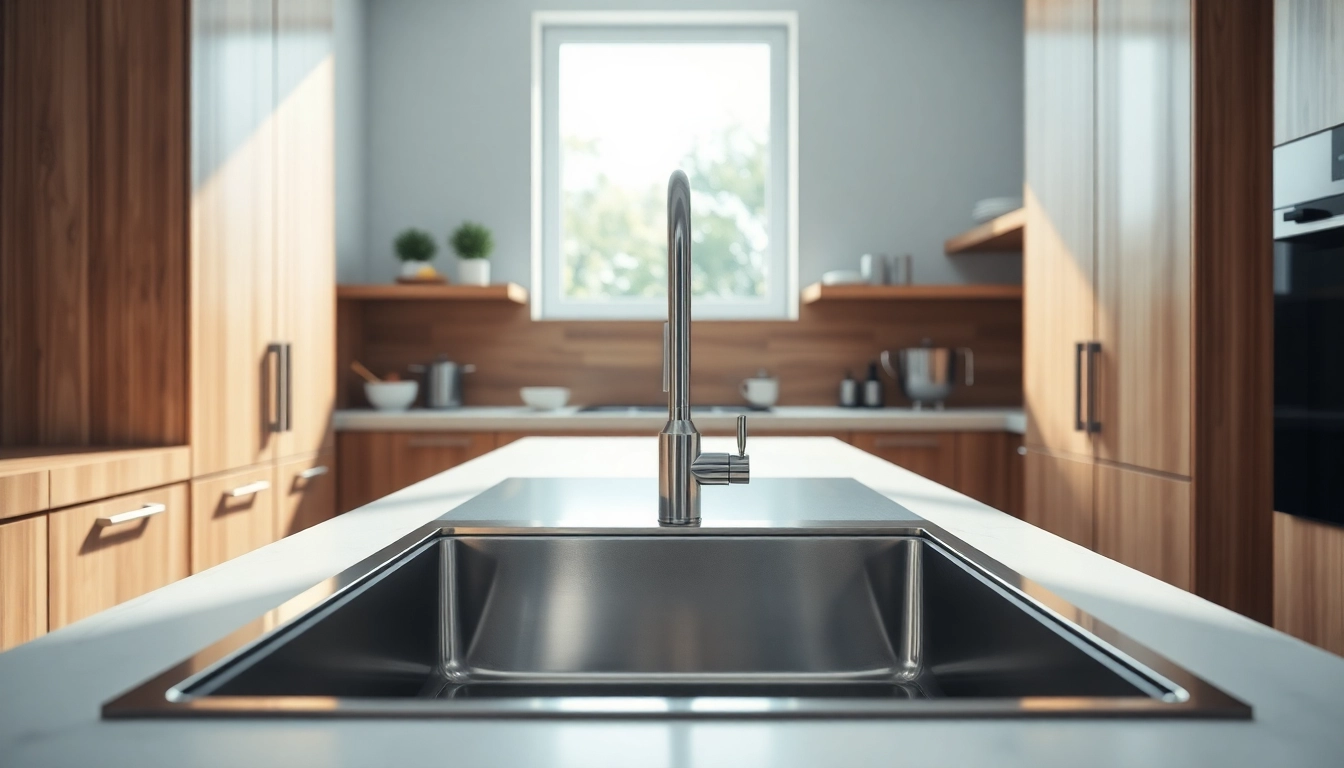
Steel sinks offer unparalleled design versatility. Available in a plethora of styles, sizes, and finishes, they can seamlessly adapt to various kitchen aesthetics, from contemporary to traditional. Whether you prefer a sleek undermount model that provides a clean countertop line or a farmhouse style that adds a rustic touch, the options are virtually limitless. Matte, brushed, or polished finishes can further enhance the sink’s appearance, allowing it to be a statement piece or a subtle complement to your kitchen decor.
Choosing the Right Steel Sink for Your Kitchen
With an array of options available, selecting the ideal steel sink for your kitchen involves careful consideration of several factors. This section will guide you through the essential elements to weigh before making your purchase.
Size and Dimensions
When choosing a steel sink, size matters. Its dimensions should correspond thoughtfully to your kitchen countertop size and your cooking habits. Larger families or avid cooks may benefit from a deeper or double-basin sink, which can handle more dishes and larger pots simultaneously. Conversely, those in smaller homes or apartments might opt for a compact single-basin sink that maximizes counter space without sacrificing usability.
Styles and Finishes
The style and finish of your steel sink can significantly influence the kitchen’s aesthetic. Notable styles include farmhouse sinks, which provide a deep basin for washing large pots, and undermount sinks, which are installed beneath the countertop for a seamless look. Finishes, on the other hand, can vary from polished chrome to brushed stainless steel, each lending a different texture and sheen. Choosing the right combination can enhance visual appeal and complement your kitchen’s overall theme.
Sink Depth Considerations
The depth of a steel sink can affect both functionality and ergonomics. Standard depth typically ranges from 8 to 10 inches, accommodating everyday tasks comfortably. However, if you often tackle cumbersome cookware, a deeper sink may be more practical. Additionally, a deeper sink can help prevent splashes, keeping your countertop tidy. Assess your kitchen workflow to decide on the best depth to suit your cooking style.
Installation Tips for Steel Sink Owners
Installing a steel sink can be a straightforward project, but attention to detail is crucial for a successful outcome. Here are essential tips to ensure your installation goes smoothly.
Preparing Your Countertop
Before installation, ensure that the countertop is level and properly supported to facilitate the weight of the steel sink. If you are installing an undermount sink, your countertop must be cut precisely to fit the sink’s dimensions. Additionally, consider applying silicone sealant around the edges of the sink to create a waterproof seal, preventing water from leaking beneath the countertop.
Plumbing Essentials
Proper plumbing connections are vital for effective sink functionality. Before fitting the sink, familiarize yourself with your plumbing configuration. Ensure you have the necessary tools and materials on hand, including adjustable wrenches, a pipe wrench, and plumber’s tape. If you are not experienced with plumbing, consider hiring a professional to avoid costly mistakes and ensure everything is sealed correctly to prevent leaks.
Sealing and Finishing Touches
Once the sink is installed and plumbed, sealing it properly is essential to prevent water damage. Once more, apply silicone along the edges where the sink meets the countertop. After sealing, allow it to cure before using the sink. This procedure will secure the sink in place and guard against moisture ingress that can lead to mold and mildew.
Maintenance Best Practices for Steel Sink
A steel sink is a low-maintenance component of your kitchen, but adopting proactive care practices will keep it looking new. Here’s how to maintain your sink effectively.
Cleaning Techniques
Regular cleaning is crucial to preserve the aesthetic appeal and hygiene of your steel sink. For daily maintenance, use warm soapy water and a soft sponge to wipe down the surface. Avoid abrasive cleaners or scouring pads that can scratch the finish. For tough stains or discoloration, a mixture of baking soda and vinegar can work wonders, restoring the sink’s shine without damaging the surface.
Preventing Scratches and Dents
While stainless steel is resilient, it is not immune to scratches and dents. To prevent damage, utilize sink mats or padded dish racks to provide cushioning for dishes and pots. Always avoid dropping heavy items directly into the sink and take care when handling sharp utensils. By implementing simple practices, you can maintain your sink’s sleek appearance for years.
Ongoing Care and Treatment
To keep your steel sink glossy and prevent water spots, dry it thoroughly after each use with a soft cloth. Occasionally, apply a specialized stainless steel cleaner that nourishes the finish and provides a protective layer against water stains. Furthermore, periodic deep cleaning sessions with appropriate products can help maintain its allure and hygiene over time, enhancing your kitchen’s overall look.
Trending Designs and Innovations in Steel Sinks
The world of steel sinks is continually evolving, reflecting current design trends and technological innovations. This section focuses on noteworthy developments that can elevate your kitchen experience.
Integrated Drainboards
One of the newest trends in steel sink design is the integrated drainboard, which offers a designated space for drying dishes or utensils. This thoughtful feature not only maximizes functionality by minimizing counter clutter but also enhances the visual appeal by creating a seamless sink-and-countertop integration. Available in various designs, integrated drainboards can suit any kitchen style, further promoting a clean and organized workspace.
Smart Sink Features
As kitchens become smarter, so do their components. Modern steel sinks may now come equipped with smart technology, such as built-in sensors to monitor water usage, or touchless faucets that provide added convenience. Additionally, some models feature integrated water filtration systems, enabling clean drinking water straight from your faucet. These innovations significantly enhance user experience while prioritizing sustainability.
Eco-Friendly Materials
With increasing awareness of environmental issues, many consumers now seek eco-friendly options. Several manufacturers are innovating by using recycled materials in their steel sinks while ensuring durability and aesthetic quality are not compromised. Choosing a steel sink made from environmentally conscious materials not only contributes to sustainability but also reflects a growing commitment to eco-friendly practices in the design of your kitchen.
FAQs
1. How do I choose the right size for my steel sink?
Measure your countertop space and consider your cooking habits. Larger families may prefer deeper or double-basin sinks, while smaller kitchens might benefit from compact designs.
2. Can I install a steel sink myself?
Yes, with the right tools and a basic understanding of plumbing, many can successfully install a steel sink. However, it’s advisable to hire a professional for complex plumbing tasks.
3. What is the best way to clean a steel sink?
Regular cleaning with warm soapy water and a soft sponge is ideal. For tougher stains, a paste of baking soda and vinegar can effectively restore shine without scratching.
4. Are there any special maintenance tips for steel sinks?
To prevent scratches, use sink mats or dish racks, and dry the sink after each use to minimize water spots. Also, use specialized stainless steel cleaner periodically.
5. What trends should I look for when selecting a steel sink?
Consider integrated drainboards for functionality, smart features for convenience, and look for eco-friendly materials to align with sustainable living practices.